In 1875, during the constitutional monarchy, there would have existed in Portugal more than four million hectares of baldios, according to a historical study by Roland Brouwer published by the FAO. Current estimates point to about 500,000 hectares, roughly 5.4% of the continental territory, which suggests a reduction of at least 3.5 million hectares, close to 87.5% of the historical value. The numbers are recalled by the Portuguese coordination of Rights for Nature, the European Citizens Initiative that began collecting signatures on 13 October, with the aim of gathering one million in the European Union and prompting the European Commission to propose the legal recognition of Nature’s rights.
The campaign warns that the percentage is indicative and not a rigorous cadastral measurement, because old and current sources used different criteria. The trend, however, is clear. In the 19th century, liberal policies of desamortization, division and alienation favored the conversion of communal lands into private properties, and the process continued into the First Republic. During the Estado Novo, forestation and state management of large baldios restricted traditional uses and the decision-making power of the compartes, and only after 1974 did many baldios return to being administered by the communities.
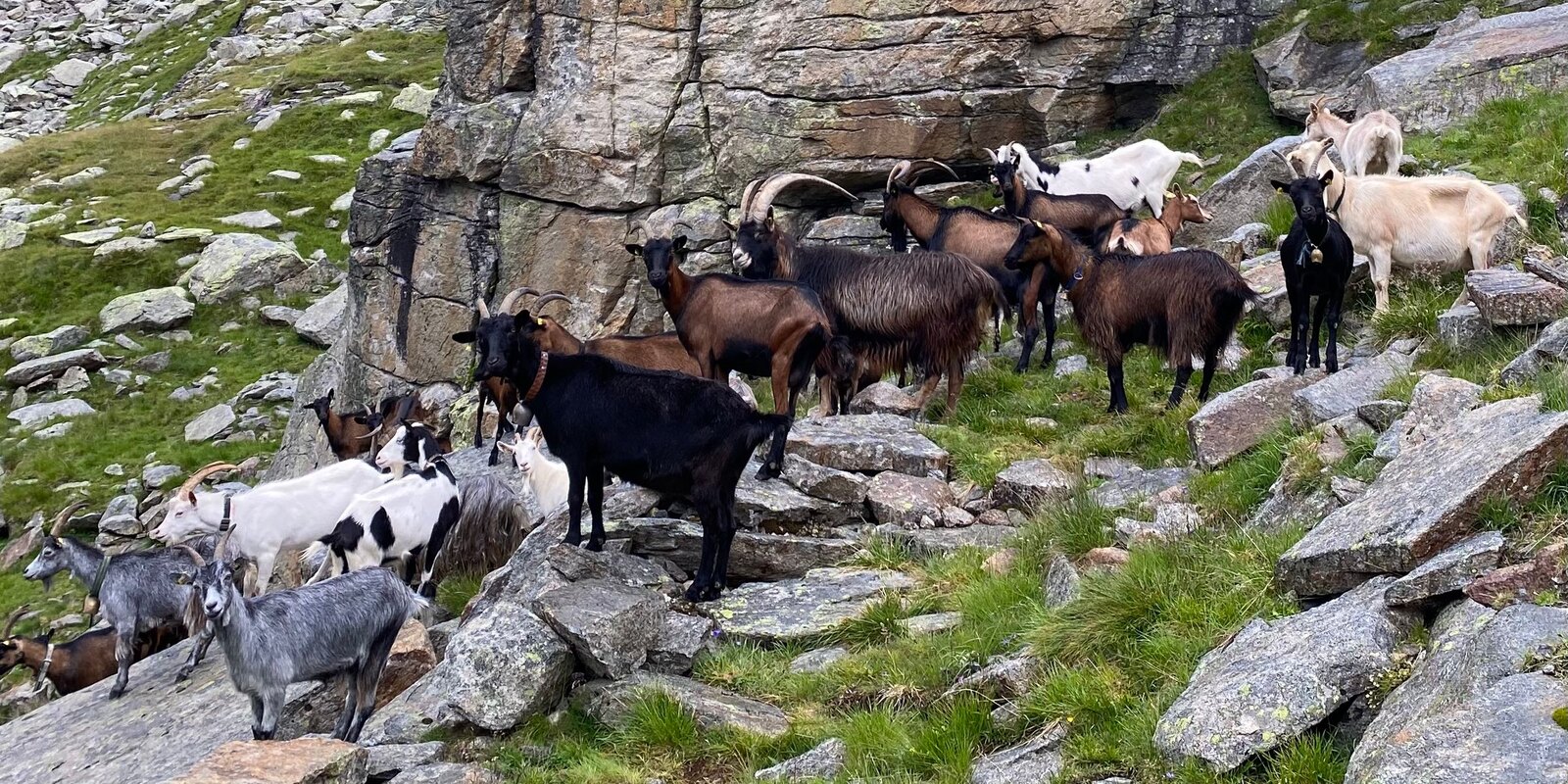
Today, Portugal has about 1,300 baldios and approximately 450,000 hectares of forested spaces within these territories, according to reference values from the Integrated Management System for Rural Fires (Fogos Rurais). Its management can coordinate pastoralism, conservation, water, forest, fire protection and local economies, but there are documented tensions between community autonomy and incentives for commercial exploitation, such as land concessions for plantations intended for the pulp and paper industry. The campaign stresses that each contract should be evaluated by its conditions, by the effective participation of the compartes, and by measured environmental and social effects.
The proposal by Rights for Nature is that recognizing Nature’s rights would give territories managed by communities, such as baldios, formal ecological representation in the decisions that affect them, from forest investments and tourism projects to infrastructure, energy and water. The compartes already have administrative competencies under the Baldios Law of 2017, and the next step would be for the community voice, supported by ecological knowledge, to weigh in on these decisions. The campaign acknowledges that this would require specific legal instruments and links the proposal to the Inner Development Goals, a framework of competencies such as integrity, systems thinking and cooperation, which it regards as useful for selecting and scrutinizing who speaks on behalf of ecosystems.