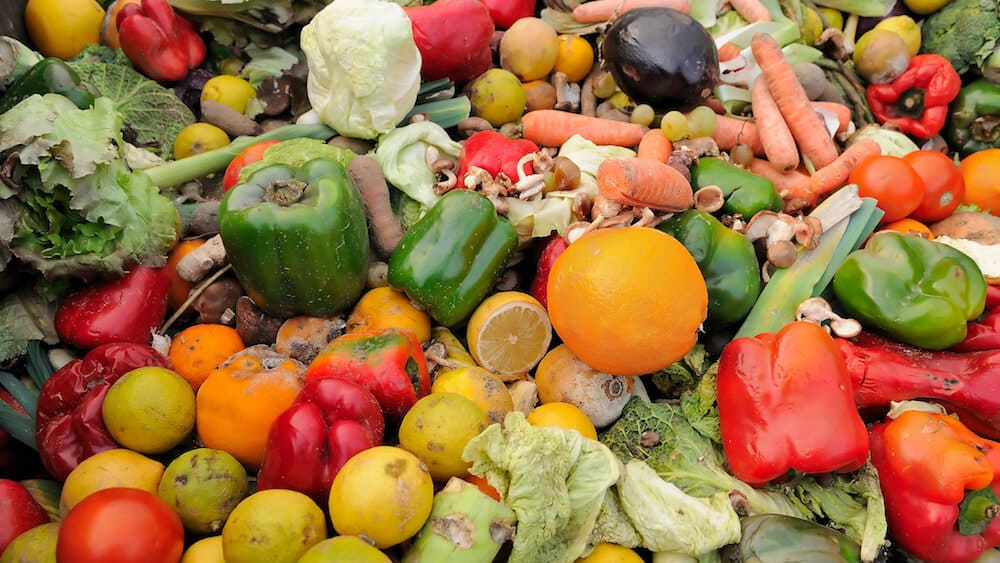
The FOOD Barometer 2026 reveals that 85% of workers reduced their visits to restaurants due to the rising cost of living. Despite the economic difficulties, concern for healthy eating and food waste remains high.
The rise in the cost of living is conditioning the dietary choices of workers in Portugal, but it has not diminished the concern for sustainability. According to the FOOD Barometer 2026, by Edenred, 98% of respondents are concerned or somewhat concerned about food waste, and 80% would like to know which restaurants adopt measures to combat it. Still, 85% reduced restaurant visits in the last 12 months, of which 57% significantly and 28% slightly.
The study, which gathered more than 2,800 responses from workers and restaurant managers in Portugal, shows that 90% of workers pay increasing attention to what they eat and that 88% consider it important that companies promote healthy and sustainable eating. However, 42% allocate more than 30% of their budget to food, while value for money (85%) and the price of the meal (81%) remain the main criteria when choosing a restaurant.
Restaurants step up measures against waste
Among the practices for fighting food waste most valued by workers are the provision of packaging to take away leftovers (73%), the possibility of choosing portions of different sizes (45%), and the reuse of foods or ingredients (40%).
On the restaurant side, 98% of the establishments surveyed say they have implemented measures to limit food waste, compared with 89% recorded in 2025. The most frequent initiatives are the provision of packaging to transport leftovers (61%) and the reuse of ingredients in the preparation of other recipes (59%).
Environmental concern also influences food choices: 52% of workers mention concerns about animals or the environment as one of the motivations to opt for a more balanced diet. Still, health remains the main reason, cited by 97% of respondents.
More than eight in ten workers (83%) expect restaurants to offer a healthier range. Among the most valued options are the inclusion of more vegetables or fresh produce in sides (93%), clear nutritional information (63%), and options with whole grains (54%). On the side of the establishments, 65% say that customers recognize and value the healthy offering, although 54% consider that preparing these meals entails higher costs.
“The results of the FOOD Barometer 2026 highlight the importance of supporting food purchasing power and boosting the restaurant sector,” says Filipa Martins, CEO of Edenred Portugal.
The executive adds: “Making balanced options more accessible and available is, therefore, a challenge shared by workers, companies, restaurants and health entities.”
The FOOD Barometer is part of the Fighting Obesity through Offer and Demand program, coordinated by the Edenred Group and launched in 2009, with co-financing from the European Commission. In Portugal, it has the support of the Directorate-General for Health and the Faculty of Nutrition and Food Sciences of the University of Porto.