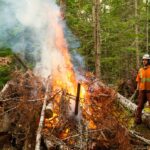
The burnt area, caused by wildfires and prescribed burns over a decade, and areas with greater human presence are negatively shaping the presence of the Iberian wolf south of the Douro River. A recent study from the University of Aveiro (UA) shows that, while fires and human pressure push the species away, scrubland areas play a crucial role as refuge and as potential feeding zones.
The latest work conducted by the Wildlife Unit (UVS) of the Environment Studies Center (CESAM) and the Biology Department (DBio) of the University of Aveiro (UA) reveals that the accumulation of burnt area over the ten years of study has a significantly negative impact on the presence of the Iberian wolf (Canis lupus signatus) in central Portugal. The research also warns of the negative impact that successive fires and burns (controlled and uncontrolled) have, essentially, on scrub areas, a habitat that the study identifies as essential for the persistence of this protected species.
Parallelly, the results also indicate that the wolf tends to avoid areas with greater human presence. This is related to a context of a high level of conflict, associated with losses caused to cattle producers and the consequent persecution felt in the region. Although difficult to measure, it is reflected in a reduced number of identified wolves.
The combination of the high accumulated burnt area with areas with a higher index of human presence leads, even, the wolf to select areas of lower habitat quality for the species and to have to seek a balance between distance to humans and a less suitable landscape.
Future? Managing territory and maintaining close contact with communities (human)
In light of the results, the researchers suggest territory management more appropriate to the species. Among the main recommendations, they highlight a pronounced reduction of the burnt area and the promotion of regeneration and natural succession of native-species vegetation in areas away from settlements. This type of management will allow the growth of more fire-resilient forests, the creation of refuges for the wolf and for its wild prey, and, consequently, keep this predator away from conflict zones with local communities, potentially leading to a reduction of losses.
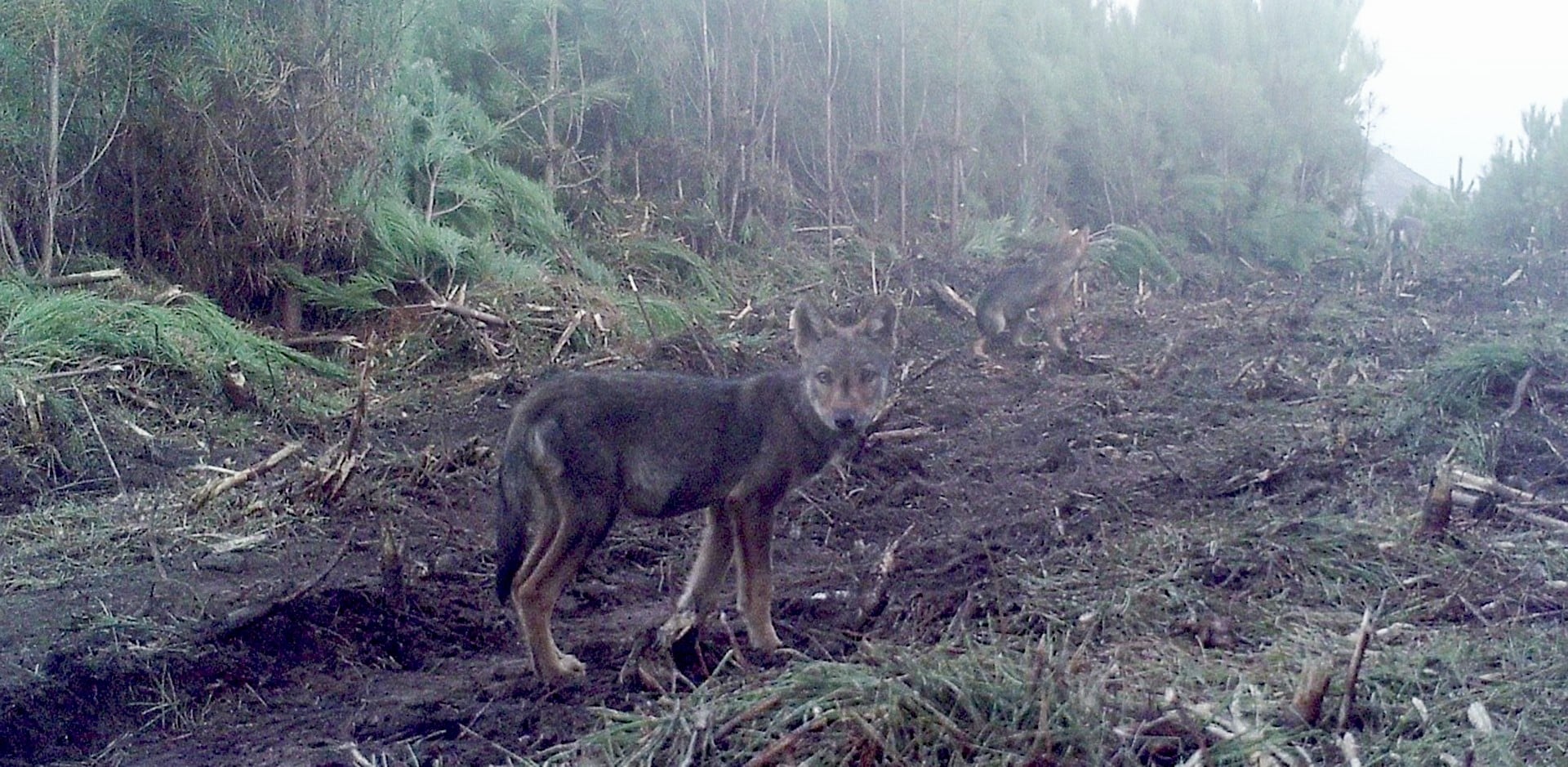
Over the last 15 years, the UA has conducted monitoring work on the Iberian wolf population south of the Douro River. By collecting evidence of presence, such as droppings, subsequently validated by genetic analyses, they confirm the presence of the species. Camera traps are also used to confirm the existence of packs, detect reproduction events, and count individuals.
Although a small number of wolves is observed in the region, the researchers emphasize that there is a future for the species.
To this end, an effort should be made through close contact with local communities, ensuring clear, relevant, and up-to-date communication about the population’s status and the conservation measures in place. It is necessary to value the territory, particularly the scrub areas, making it more diverse and economically viable. Finally, it is of utmost importance to reform the compensation system for losses caused by the wolf, so as to make it faster, simpler and more transparent, reducing the bureaucratic burden on livestock producers and promoting better coexistence between local populations and the wolf.