
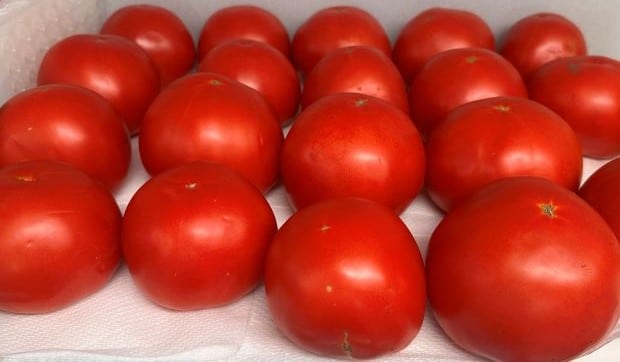
The use of compost produced from food and garden waste can make commercially grown tomatoes sweeter and improve their aroma and appearance, according to a study from the University of Queensland in Australia.
Researchers from the School of Agriculture and Food Sustainability cultivated tomatoes in southeastern Queensland under commercial conditions, comparing plants whose soil received compost derived from organic waste — FOGO (Food Organics and Garden Organics) — with others grown without this compost. The fruits were subsequently subjected to chemical and sensory analyses.
The results showed that, five days after harvest there were no significant differences in the sensory evaluation between the two groups. However, after another week of storage, the tomatoes grown with FOGO compost had twice the likelihood of being identified as sweeter by participants. The fruits in the control group were more frequently described as bland, while the tomatoes treated with compost were associated with a more appealing appearance and a more pleasant aroma.
Chemical analysis helped explain these differences. The tomatoes grown with compost showed higher levels of compounds related to sugars and a reduction in malic acid, which can contribute to sour taste. After the storage period, they also recorded higher concentrations of amino acids associated with savory flavors and umami.
The researchers note that the period between the two assessments sought to reproduce the usual journey of tomatoes from farming through the store to the consumer. Although no significant differences were observed in yield or in the size and appearance of the fruits at harvest, the analyses indicate that using FOGO compost may contribute to delivering to the consumer a product with better sensory characteristics.
For Nicole Robinson, a researcher at the University of Queensland and author of the study, the results provide scientific evidence that compost produced from food and garden waste can contribute not only to agricultural production but also to the quality of foods.
The researcher also considers that valuing these wastes in agriculture represents an environmental opportunity, by avoiding their disposal in landfills where they contribute to greenhouse gas emissions, and by returning them to the soil in the form of organic matter.
The compost used in the study was purchased from a commercial supplier that produces it from waste collected in organic waste bins from households and businesses. The work was published in the scientific journal npj Science of Food.





