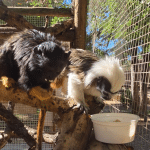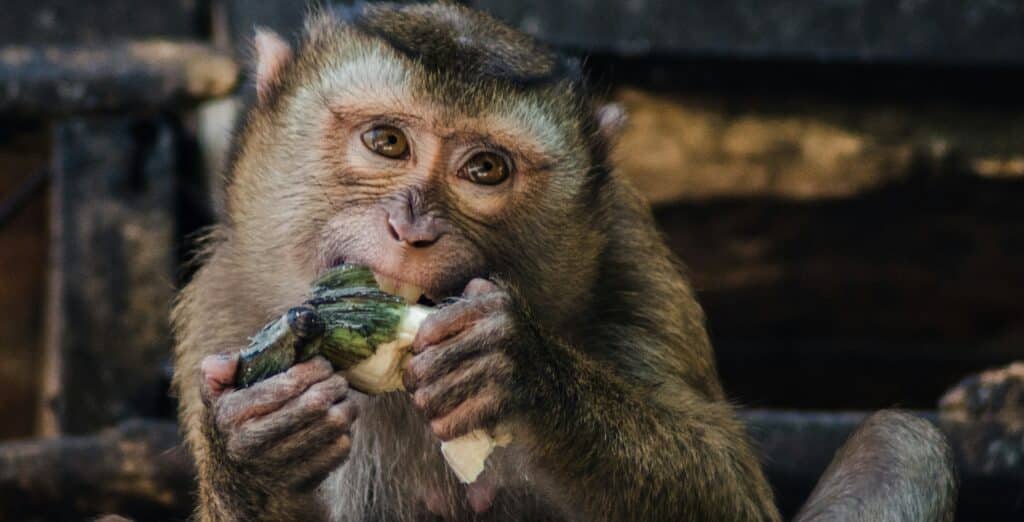
Capuchin monkeys (from the genera Cebus and Sapajus) appear to value the prior experience associated with the tools they use. A study published by The Royal Society concluded that these primates prefer stones that have already been used beforehand to crack open hard-shelled fruits, even when those tools do not possess the best physical characteristics.
The investigation analyzed how two groups of capuchin monkeys chose stones to crack palm nuts, comparing new tools with stones bearing wear marks resulting from prior use.
When only unused stones were available, the animals based their choice on the properties of the material: they selected softer stones as the supporting surface on which to place the nut and harder stones to strike and crack it.
However, when they had access to stones already worn from prior use, capuchin monkeys showed a clear preference for these tools, regardless of their hardness.
According to the researchers, the results suggest that these primates are capable of interpreting social cues associated with tools — in this case, marks left by prior use by other individuals — and use them to guide their choices.
Tools with a history influence choices
The study indicates that information transmitted through observing other individuals may have played an important role in the evolution of tool use.
By choosing stones that have already been used, capuchin monkeys may be benefiting from knowledge accumulated by other group members, a strategy similar to the way humans learn new technologies through observation and imitation.
The researchers consider that these findings may help understand how tool use emerged in human evolution, notably the way early humans may have learned which materials were most suitable through observing the behavior of other individuals.
The work shows that, beyond the physical characteristics of a tool, the social information associated with its use can influence primates’ decision-making, revealing a cultural dimension in the behavior of these animals.