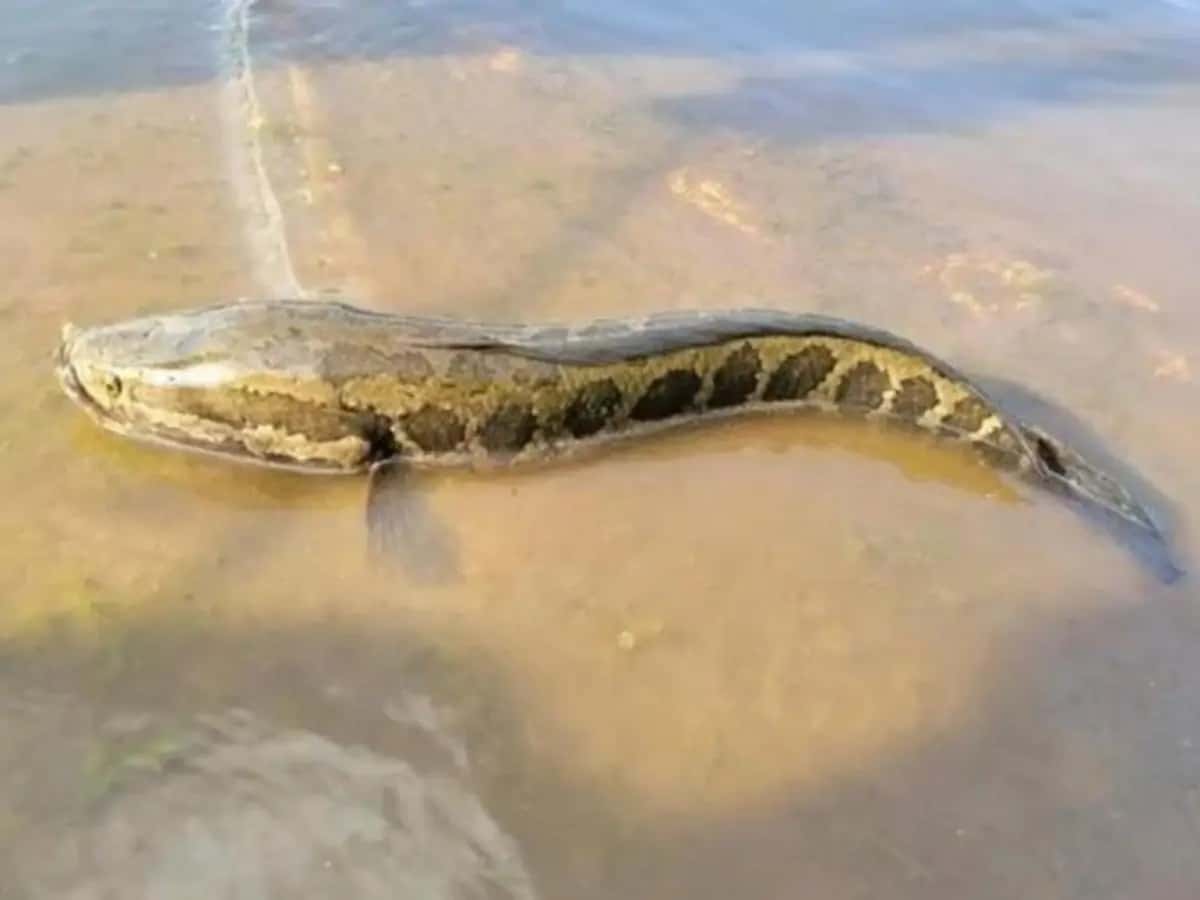
In rivers and ponds from the Midwest to the Baltic, a remarkably hardy predator is causing mounting alarm. The northern snakehead, often dubbed a “walking fish,” can survive out of water, cross short stretches of land, and upend fragile freshwater ecosystems. Scientists warn that its spread across the U.S. and EU demands rapid, coordinated action.
Why a land-capable fish raises red flags
Unlike most fish, snakeheads can breathe air using a specialized organ, letting them ride out droughts and travel between pools. That ability grants a survival edge in cluttered wetlands, farm ditches, and urban retention ponds. When food runs short, they can relocate and resume hunting with little delay.
“Without rapid intervention, snakeheads can remake entire food webs,” warns a consensus echoed in invasive-species briefings. The combination of rugged physiology and relentless adaptability means control is difficult once populations establish.
Fresh detections put Missouri on alert
Multiple recent finds in Missouri build on earlier confirmed reports, suggesting more than a one-off introduction. State biologists say the pattern looks like a growing foothold, not a fleeting incursion. Local communities now watch their waterways with raised vigilance.
One angler’s account underscores the fish’s unsettling resilience. “I set the fish on the asphalt for a few minutes, and it slipped back into the water like nothing had happened,” the witness recalled, highlighting the animal’s tenacious grip on survival.
A formidable predator with unusual tools
The snakehead’s elongated, muscular body and sharp, small teeth make it a stealthy, ambush hunter. It targets fish, amphibians, and opportunistic invertebrates, thriving in murky, plant-choked habitats. That broad diet allows quick adjustment when prey changes or competitors shift.
Adults can reach roughly one meter in length and about five kilograms in mass, outclassing many native species. In dense vegetation, short bursts of speed give them decisive advantages, enabling repeat kills where cover is thick.
Reproduction that accelerates invasion
High fecundity is the snakehead’s most alarming advantage. A single female may release up to 50,000 eggs, repeated several times per year. Parents guard nests, boosting hatchling survival far beyond typical freshwater fish.
Where natural predators are absent, recruitment soars and populations explode. Within a few seasons, dense clusters can rewire trophic pathways and displace native gamefish that underpin local economies.
Ecological and economic ripple effects
Snakeheads intensify competition for prey, shelter, and spawning sites, squeezing already stressed populations. Habitat fragmentation and pollution magnify the strain, reducing ecosystem resilience against heatwaves, floods, and drought.
Communities reliant on recreational fishing and nature-based tourism may see declining catch rates and waning visitor interest. Every dollar spent on invasive control is a dollar diverted from restoration and native-species recovery.
What agencies are doing now
Authorities emphasize early detection, public reporting, and swift, science-based control tailored to local watersheds. Because snakeheads can cross wet ground, containment demands careful planning and persistent community engagement.
- Expand targeted environmental monitoring in vulnerable basins
- Train anglers to identify, photograph, and promptly report sightings
- Restrict live transport and tighten bait and aquaculture oversight
- Use targeted netting, electrofishing, and site-specific eradication
- Share cross-border genetic data and unified alerts
- Provide clear, practical guidance to the general public
A transatlantic challenge
While U.S. states dominate recent headlines, EU member nations are also on elevated watch. Trade pathways, unregulated stocking, and accidental releases can leap continents faster than policy can adapt. Warming climates may expand suitable habitat, opening new frontiers for establishment.
Harmonized surveillance and rapid response protocols can keep managers ahead of the curve. Standardized sampling and shared genetics reveal movement routes, source populations, and best-fit interventions.
How the public can help
Simple steps deliver outsized benefits. Never release live fish into the wild, and never move suspicious specimens between watersheds or drainages. Photograph, record precise locations, and submit sightings to state agencies or national hotlines for invasive species.
Where legal and safe, humanely dispatch captured snakeheads and keep them out of the water. Prompt, accurate information helps officials respond while numbers remain manageable.
The window for decisive action
The northern snakehead is a clear, present risk to freshwater networks across the U.S. and EU. Its amphibious habits, aggressive behavior, and prolific reproduction create a uniquely stubborn invader. Early action, steady funding, and engaged communities can still curb its spread.
With coordinated policy, well-equipped field teams, and vigilant citizen reporting, damage can be contained and native ecosystems given space to recover. The window remains open, but the clock is ticking.