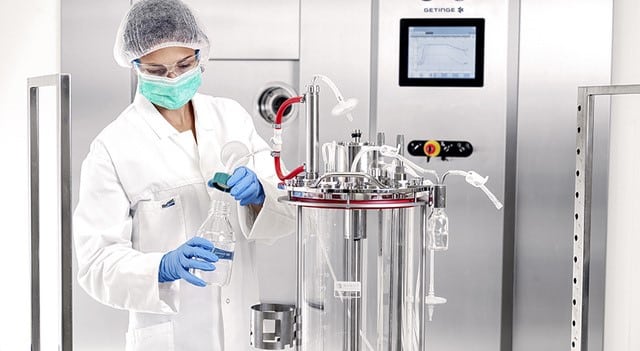
An innovative low-energy-consumption sterilization system for precision fermentation bioreactors, developed by the Portuguese technology spin-off DELOX, was successfully implemented at the Food4Sustainability CoLAB’s R&D unit, located at Ampliaqua, according to a statement.
According to the same source, the solution was developed and validated through the Sustainable Foods-Testbeds platform, led by BGI, a real-world technology validation environment designed to reduce the risk associated with adopting emerging solutions before their market entry.
The system introduces a low-energy-consumption sterilization approach specifically designed for precision fermentation bioreactors, having been validated in a real operational environment.
Traditionally, sterilization of bioreactors is based on steam-in-place (SIP), which requires high energy consumption and dedicated vapor-generation infrastructures. In contrast, the DELOX solution uses the proprietary DeloxHP technology, based on hydrogen peroxide, eliminating the need for steam generators and significantly reducing both the initial investment (CAPEX) and operational energy consumption.
Based on real engineering calculations for a precision fermentation system with two parallel fermentation vessels (300 L and 200 L) and about 300 kg of stainless steel structure, it is estimated that the DeloxHP system will allow a reduction of energy consumption by approximately 72% per sterilization cycle, compared with conventional vapor-based systems. The Ampliaqua fermentation unit operates in this configuration, providing a flexible environment to test sterilization strategies and processes under realistic conditions.
Following successful testing and validation in the SF-Testbeds ecosystem, the technology was adopted by the Food4Sustainability CoLAB on its R&D platform dedicated to the development of next-generation biofertilizers and biostimulants. These are produced through precision fermentation and aim to improve the resilience of agricultural crops to abiotic stress, including drought, salinity, and heat — challenges increasingly critical for Mediterranean agriculture.
Ampliaqua operates as a pre-commercial innovation platform based on Integrated Multi-Trophic Aquaculture (IMTA), combining aquaculture, microalgae production, and plant cultivation systems. This ecosystem creates unique conditions to test circular bioeconomy technologies and biotechnological processes in real environments.
The collaboration between BGI, DELOX, and Food4Sustainability CoLAB demonstrates the role of testbed infrastructures in accelerating industrial innovation, enabling the validation of emerging technologies, reducing technological risk, and facilitating their scalability to the global biotechnology market.