About 98% of lignin produced as a forest byproduct from plants is discarded, but a new enzyme could be the key to extracting high-value molecules from this waste using a green chemistry approach.
These molecules are the building blocks of compounds such as fragrances, flavorings, fuels and therapeutics, turning a waste stream into a valuable resource.
“Traditional chemical processes for the synthesis of this type of chemical rely on petroleum-based feedstocks and heavy-metal catalysts, making them non-renewable and inherently toxic processes,” says Fiona Whelan, Cryo-electron Microscopist at Adelaide Microscopy, University of Adelaide, whose study was published in Nature Communications.
This new catalytic processing method will support the development of other new “enzyme factories” of green chemistry or biorefineries to transform lignin and other biological waste streams into a valuable repository of fine chemicals.
Lignin is the name given to the tough polymers that act as mechanical support in hardwoods and softwoods and is one of the most abundant polymers on Earth.
Agriculture and forestry together accumulate about 100 million tonnes of lignin waste per year, but this could be diverted to become a promising renewable and sustainable feedstock for the chemicals currently derived from fossil fuels.
“The strategies for using lignin involve a combination of chemical and biological processes,” says Associate Professor Stephen Bell, from the School of Physics, Chemistry and Earth Sciences at the University.
“High temperatures, high pressures, strong acids and toxic solvents are used to break down the polymers in the waste stream,” he adds.
“The valuable compounds retained in the waste are then extracted and subjected to further chemical processing at temperatures above 400°C to ‘upgrade’ the lignin. These processes are costly and harmful to the environment.”
Lignin from hardwoods has two fundamental chemical components that require processing to produce useful compounds.
Researchers had already discovered an enzyme that could be used to break down one of these components, which is also found in softwood, but no biological degradation process had been identified that could utilize the second, more complex component of hardwoods, which accounts for about 50% of the waste.
“The biological decomposition of lignin occurs in a complex microbial quorum, with fungal enzymes that probably break the hard polymers and bacteria that latch onto the smaller non-reactive compounds and process them to obtain metabolic energy,” says Whelan.
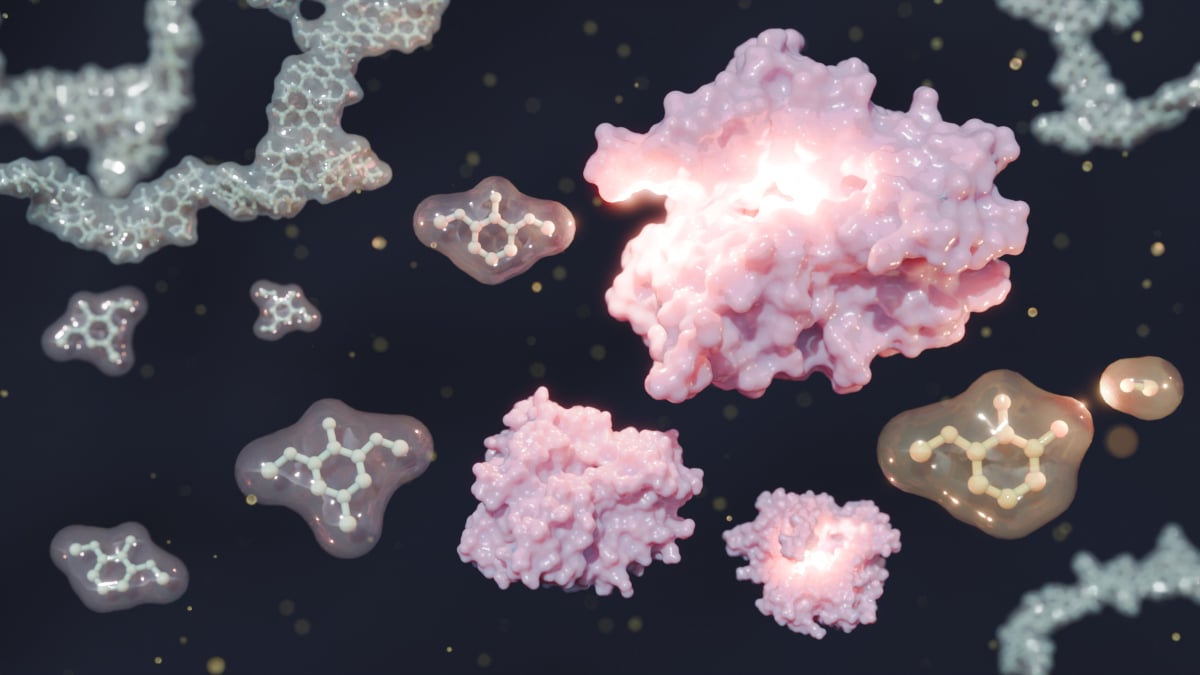
“Looking at the microbial kingdom, we identified that a soil bacterium, Amycolatopsis thermoflava, contains enzymes that can process lignin molecules cheaply, using hydrogen peroxide to drive the reaction — making the valorization far less harmful to the environment,” she adds.
The research team used this new enzyme as a model to adapt the peroxide-driven activity to other enzymes, in order to create future green-chemistry approaches for producing high-value chemicals for use in the flavors, fragrances and medicinal chemistry industries.