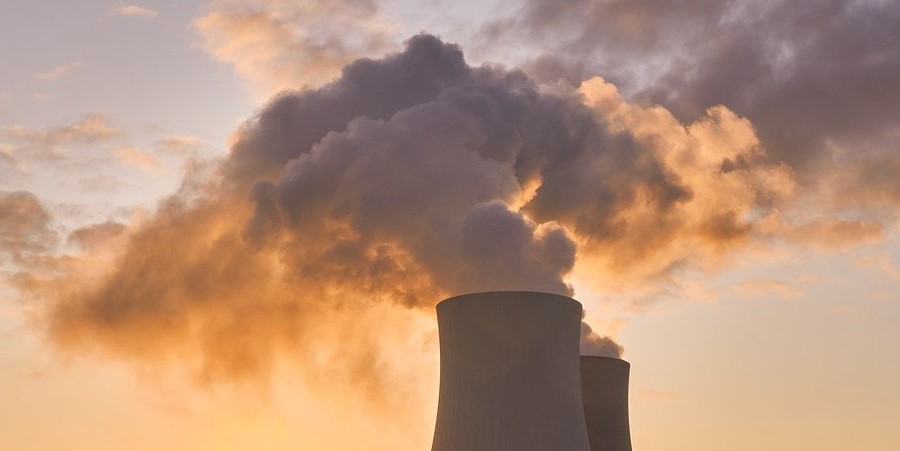
The Japanese electric utility Tokyo Electric Power Company (TEPCO) today postponed the restart of commercial operations at Kashiwazaki-Kariwa, the world’s largest nuclear power plant by capacity, which has been closed since 2011 after the Fukushima accident.
In a statement, TEPCO said that, last Thursday, an alarm indicated a small electrical leak in Reactor 6, which began transmitting energy on February 9, after 14 years of shutdown.
After an investigation, the company determined that there was no real leak, but rather a conductor that broke, which triggered the alarm by mistake, something that “does not directly affect the safety of the reactor,” which remains stable.
TEPCO continues to investigate the details of the incident and has not yet announced a new date for the resumption of the reactor’s commercial operations.
The restart had already been postponed to February 26 due to problems with the control rod alarms.
TEPCO restarted the Kashiwazaki-Kariwa plant on January 21, 15 years after its closure in 2011 following the Fukushima nuclear accident.
This was the first time TEPCO, which operated the Fukushima plant before the disaster, reactivated one of its plants since the nuclear accident caused by the strong earthquake and subsequent tsunami that hit northeastern Japan on March 11, 2011.
The accident led to a nuclear blackout in the country, where most nuclear reactors remain offline.
Currently, 14 reactors are operational, 19 have suspended their operations, and 27 are awaiting decommissioning, according to data from the International Atomic Energy Agency.
Reactors 6 and 7 at Kashiwazaki-Kariwa had already undergone reviews for their respective reactivation in 2017, but it was subsequently ordered that the plant remain shut due to failures in security against terrorist attacks.
In December 2023, the measures adopted were approved and, since then, TEPCO has been going through the necessary procedures to bring both reactors online.
With a capacity of more than eight thousand megawatts, the Kashiwazaki-Kariwa plant is a key component of TEPCO’s energy supply plan and is in line with the strategy promoted by the Japanese government under Prime Minister Sanae Takaichi to boost nuclear plants and meet emissions reduction targets.