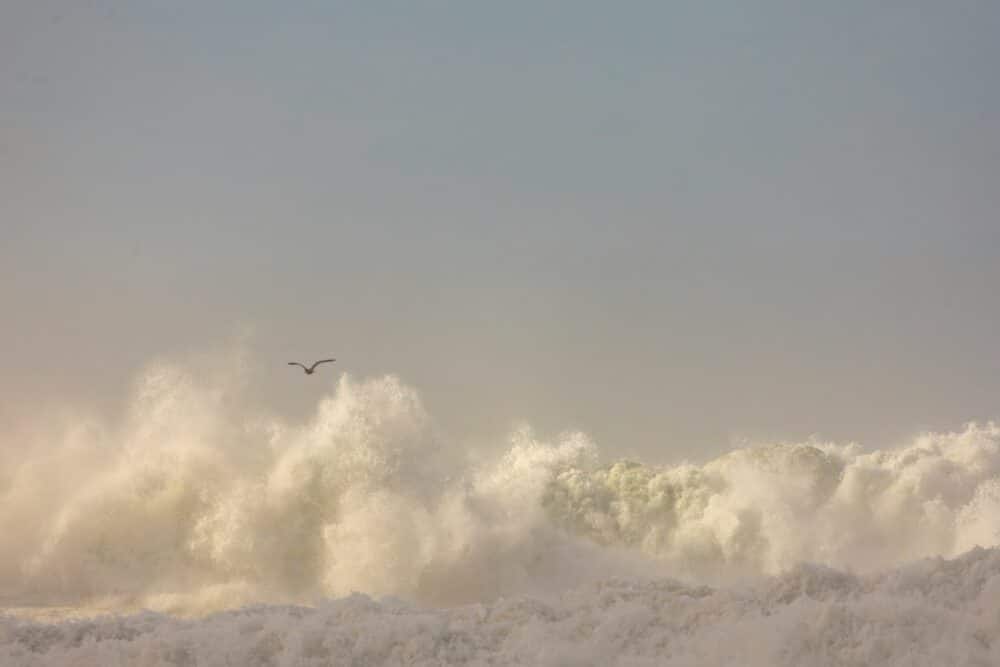
The “train of storms” that struck Portugal for weeks left a trail of devastation in its wake. Houses destroyed, roads and other routes ruined, and 16 people have already died since January 28 when Storm Kristin descended on the national territory.
However, the weather events, harsher and more frequent as the planet grows warmer, affect not only human worlds but also the worlds of wild animals.
Since January 25, and with greater intensity in February, hundreds of seabirds have washed ashore along the Portuguese coast, from north to south of the country. To Green Savers, Hany Alonso, Senior Science Technician at the Portuguese Society for the Study of Birds (SPEA), says that since Kristin entered Portugal more than 400 puffins have been recorded as washed ashore, most of them on the northern coast and in the Peniche region.
According to data from international partners, Galicia also recorded more than 500 puffins washed ashore and more than 200 along the French coast.
Regarding Portugal, “the numbers of birds affected could be very much higher, as we are monitoring a very small portion of our coast,” warns the ornithologist, adding that more beached birds are to be expected, because “conditions at sea remain difficult.”
In the winter of 2022 to 2023, also the result of storms, in two weeks more than 1,700 puffins were beached on the Portuguese continental coast, “which already represented a major impact on the populations of this species,” explains Alonso. Although small, these birds are used to dealing with rough seas and are “quite resilient,” being able to move to areas farther away from the coast until the storm passes.
“The problem arises when there are many consecutive storms, which hinder their feeding and deteriorate the birds’ physical condition,” explains the SPEA ornithologist.
“Many days with rough seas can end up causing mass mortality of many individuals,” he notes, adding that “they begin to weaken and move closer to land and end up washing ashore on beaches, some alive, but a large part already dead.”
In addition to puffins, beached seabirds of other species were also recorded, such as little terns, three-toed gulls, yellow-legged gulls, cormorants, dark-winged gulls, and gannets. Although these birds are used to dealing with stormy seas, seeking shelter closer to the coast or even on land, their resilience has limits and, if the bad conditions persist for a long time, they end up succumbing due to not being able to feed properly.
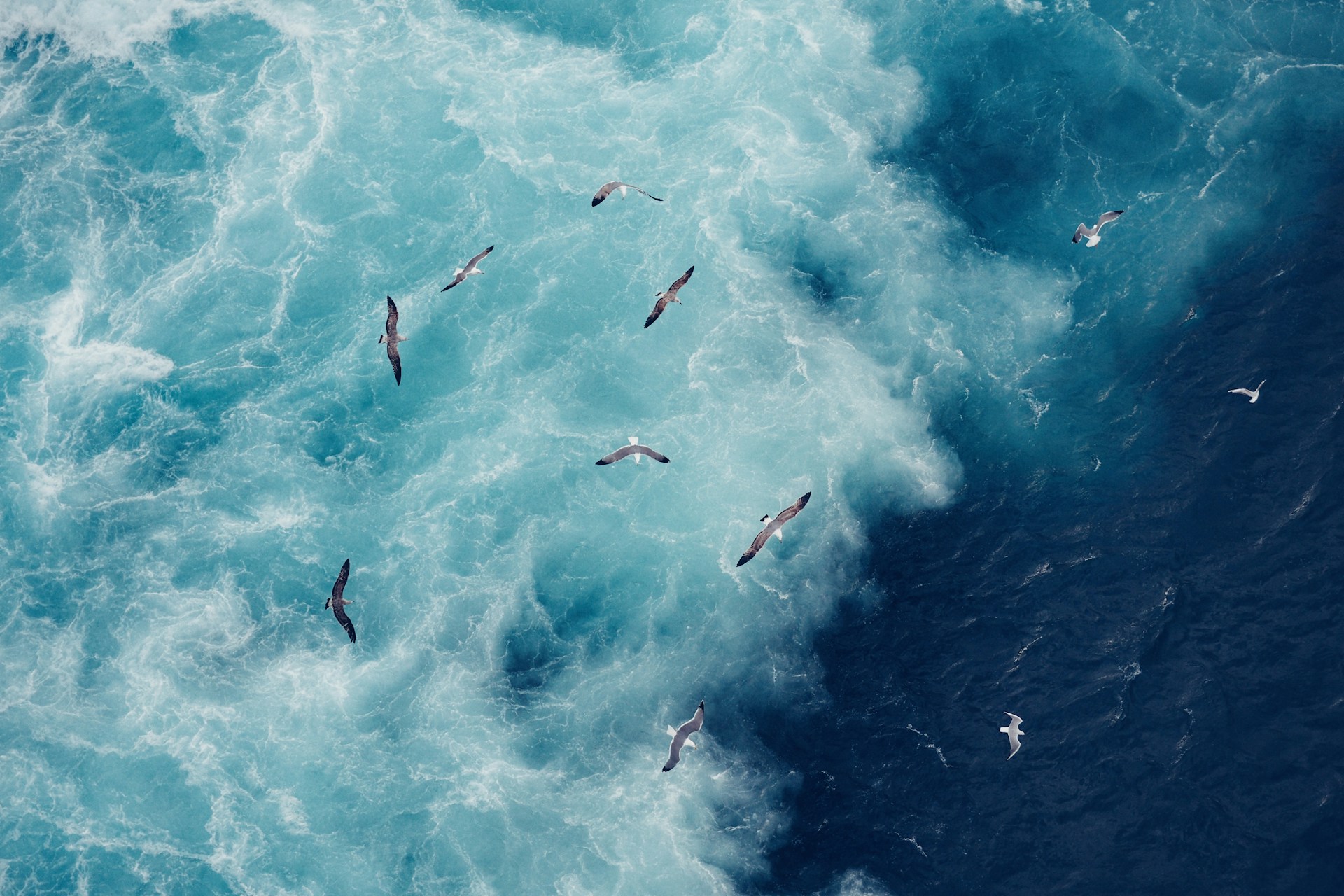
Although most animals washed ashore dead, some were still alive and were promptly sent to wildlife recovery centers. The hope is that they can recover and return to their natural habitat.
The impacts of storms, like those we have experienced, on seabirds vary according to species and age of the individuals, with the younger and weaker generally the most vulnerable to the weather. However, mass mortality events can affect many other individuals, with severe impacts on the populations of their species.
Seabirds are one of the most threatened groups of birds worldwide and are increasingly pressured by a myriad of factors, such as bycatch in fishing nets, pollution, habitat and prey loss, and invasive species. Thus, in a climate crisis context and in line with what science says, storms, like the ones in recent weeks, will become more frequent and more intense, and, therefore, “the impact on seabirds will be large.”
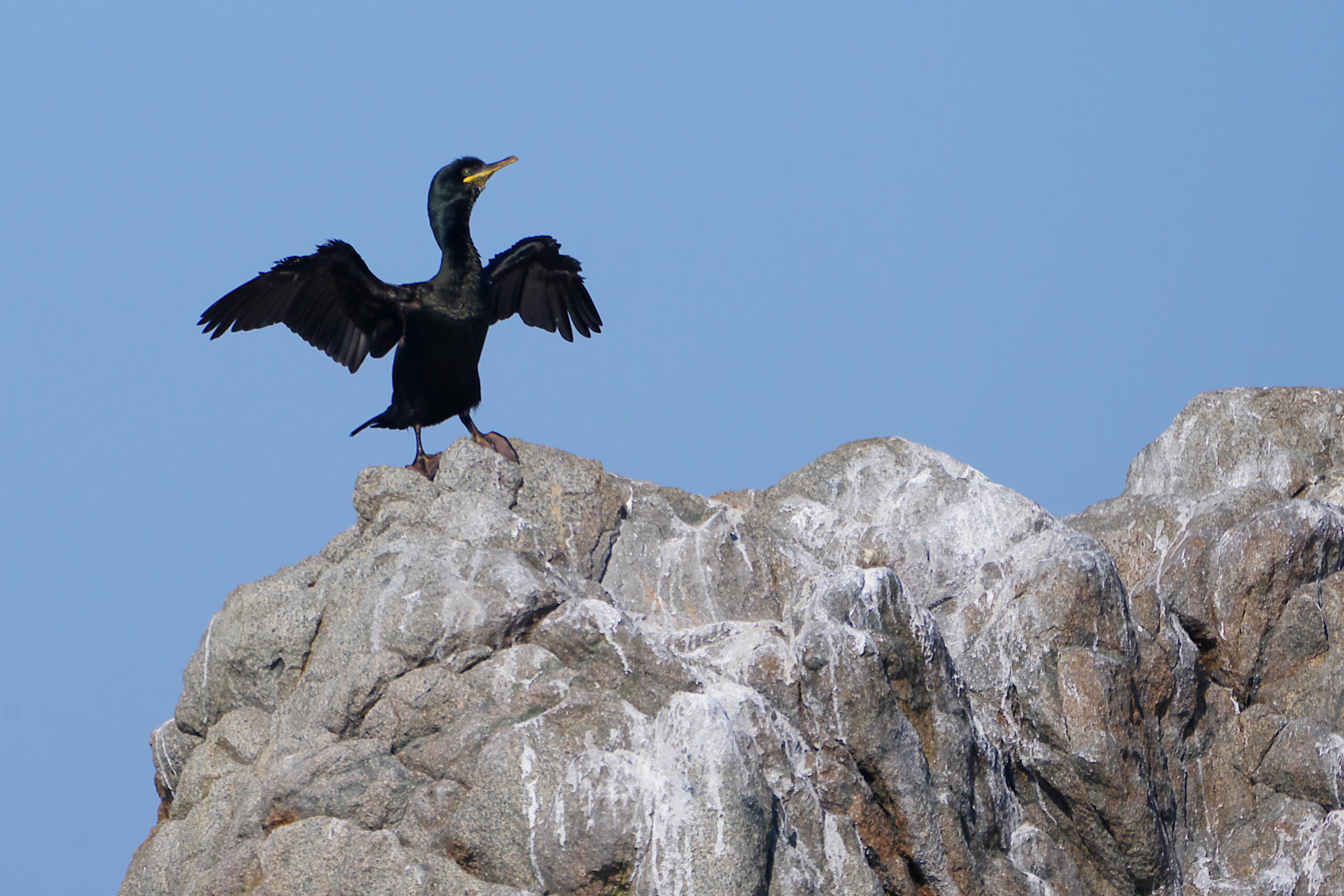
As Maria Dias, a lecturer at the Faculty of Sciences of the University of Lisbon (FCUL) and a researcher at the Center for Ecology, Evolution and Environmental Changes (CE3C), warns, “long periods of storms generally affect seabirds by hindering their ability to obtain food, leading, therefore, to emaciation and, at times, to death.”
Thus, Hany Alonso, from SPEA, stresses the importance of monitoring these mass beached events and trying to understand their impacts, especially on the most affected species, such as puffins, “a species that people generally do not realise occurs in the Portuguese seas.”
When a beached bird is still alive, specialists say the most important is to contact the environmental service of the GNR, SEPNA, or the ICNF, so that the animal can be directed to a rehabilitation center.
“If the person themselves transports the bird to a rehabilitation center, they should avoid direct contact with the bird, using gloves or a piece of clothing, place the bird in a cardboard box and transport the bird as quickly as possible to the nearest center. Do not try to feed or give water to the bird, as the ideal is for it to be assessed at the center where proper care can be provided,” explains the SPEA technician.
Under the waves
The impacts of the storms go beyond the birds. Also the animals that live beneath the surface of the marine waters can feel their effects.
Again, the consequences of storms and the associated rough seas depend on the species. As Alicia Quirin and Patrícia Nogueira of the Association for Marine Environment Research (AIMM) explain, those that depend more on coastal habitats, particularly shallow-water zones, may have more difficulty finding food because of the sea’s agitation.
“The action of the waves can also cause physical disturbances to the seabed, causing damage to more fragile habitats or resuspension of sediments, which can affect algae and invertebrates and, consequently, the entire food web linked to them,” they detail in an email response.
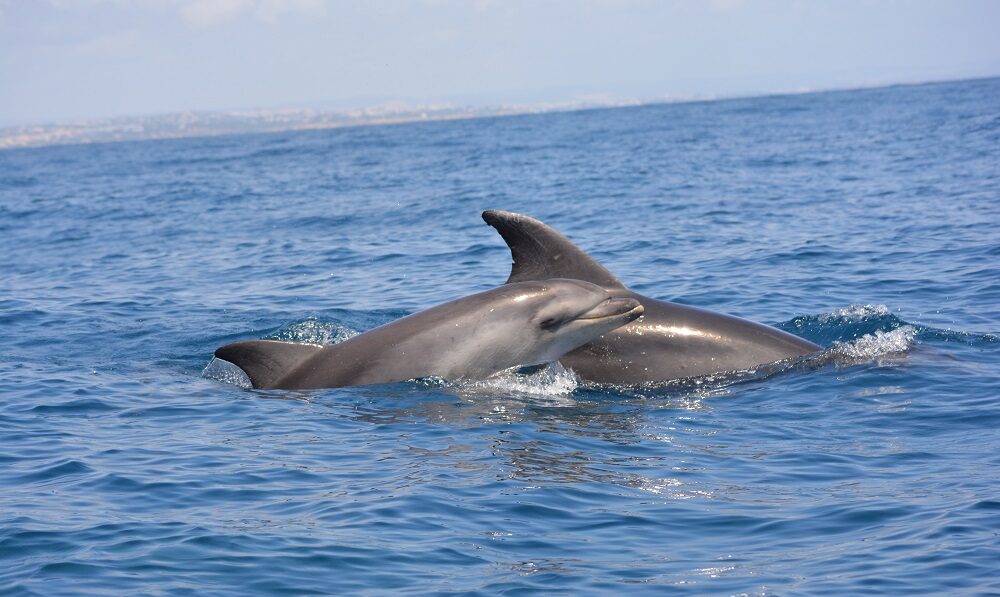
Due to strong winds and rough seas, some seabirds and marine mammals may have to spend more energy to move from one place to another, which can put their survival at risk. In the case of dolphins, for example, “navigation difficulties may occur, especially in younger or weakened animals,” but, in general, “they are well adapted to survive in a dynamic environment and under sometimes adverse conditions,” say Alicia Quirin and Patrícia Nogueira.
Therefore, it is expected that dolphins and other marine mammals will be able to cope with the sea effects produced by storms like the ones we have faced recently.
For now there are no records, besides seabirds, of marine animal mortality directly linked to the storms of the last weeks. AIMM specialists also tell us that, in these circumstances, it is likely that already dead animals may wash ashore, “but that does not necessarily mean that the cause of death is related to the meteorological conditions.”
“This type of events ends up reinforcing the importance of there being well-established monitoring and response networks for beached animals so that we can better understand the effects of these phenomena on marine life. This is particularly important in a context of climate change, where extreme phenomena are expected to become more frequent,” they note.
On land
The force of the storms is, of course, also felt on land, as we all know. Mammals and birds that live in terrestrial habitats, such as forests, woodlands and grasslands, to name a few, may have more difficulty finding food or see their homes transformed by the power of strong winds and heavy rains.
Beyond these trials, it can be more complicated for animals to regulate their body temperatures, not only due to cooler temperatures but also, for example, because they are wet for long periods, risking hypothermia. These impacts can lead to the death of some individuals, especially the most vulnerable and debilitated, for whom the loss of calories and, thus, of a robust and healthy body condition could be fatal.

Still, and as proof of the resilience and adaptability of these creatures, Teresa Catry tells us that “in general, animals manage to respond to adversity by changing their behavior or their distribution range.” On land, the greatest impacts tend to affect mainly small birds or small mammals.
The ecology professor at FCUL, and also coordinator of the Behavioral Ecology and Conservation group at CE3C, explains that the impacts of storms, when heavy rain and persistent rainfall are joined by a strongly blowing wind, can lead to prey for many of these animals—especially insects and other invertebrates—being less active. This drastically reduces the chances of these predators being able to hunt successfully.
The fact that storms can also cause floods in their habitats often reduces the amount of seeds and fruits available, “which become submerged and out of reach for these small animals,” says Teresa Catry. As if that were not enough, the intense rain and howling wind can cloud the senses of animals, especially vision, hearing, and smell, further reducing the likelihood of finding food.
She says that some small birds, such as passerines, in winter accumulate food reserves that serve only to sustain them during the night, since most of these animals feed during the day. When the sun sets, they seek shelter where they can avoid losses of heat as much as possible and thus conserve the energy they have accumulated during the day.
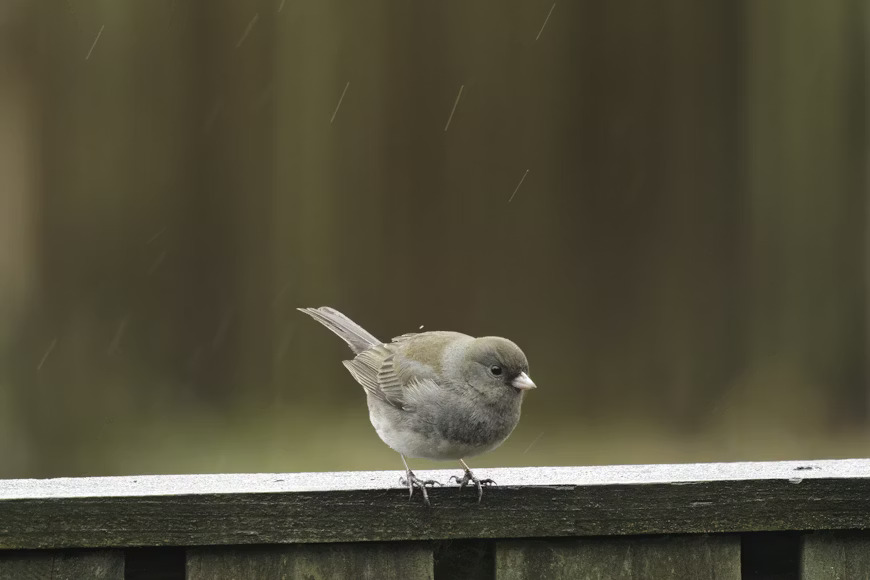
Marshall Patterson / Unsplash.
However, this can prove tricky during storms, and also after they pass, notably due to habitat loss caused by the fall of a large number of trees in forests, the destruction of cane fields in wetlands, or the strong sea agitation that disturbs shelters on beaches or rocks where the birds, had the weather been milder, could hide.
Shorebirds, such as those that live in estuaries where saltwater and freshwater meet and where life is dictated by the rise and fall of the tides, are also exposed to the effects of storms. The intense sea agitation can flood important feeding zones for a longer period than usual.
“There are several studies showing that shorebirds have less success and spend less time feeding on days of very windy or rainy conditions along the coast,” explains Teresa Catry.
Returning to land, floods affect smaller animals more, such as those that dig tunnels under the soil and use them as shelter, such as rats and rabbits. In case of flooding, they can drown “due to reduced mobility that prevents them from escaping,” says the ecologist. Those who manage to escape will have to face other challenges, such as finding new places to settle, something that can be highly difficult, especially due to food scarcity or because it is not easy to reach it, particularly because of waterlogged soils.
But not everything is necessarily bad; it will surely depend on the intensity of the phenomena. The FCUL lecturer, in a note of optimism, explains that heavy rain can bring “some benefits” to certain wildlife populations.
“Some flooded areas become attractive sites for aquatic bird species such as ducks, waders, or gulls. On the other hand, the flooding of some locations can, post hoc, lead to an increase in ecosystem productivity, with positive effects for birds and terrestrial mammals,” she notes.
The consequences of storms on land could also be more severe for rare or endangered species, especially those with lower reproductive success, for whom a nest blown down could be devastating. In a similarly positive note, the source from the Portuguese League for the Protection of Nature says that heavy rainfall can, in some cases, contribute to increased soil fertility, to recharging aquifers that snake through the rocky interior of the Earth, and to the revitalization of various bodies of water. This regeneration could prove crucial “after several years with long periods of drought,” the environmental organization states.
At a time when all scientific evidence points to a worsening of extreme climatic phenomena, such as storms more frequent and intense, but also fires and droughts, paying attention to what happens in non-human worlds could be essential to understanding how climate change is affecting Nature, on which we humans depend more than we think.
Furthermore, understanding how wild animals cope with these catastrophes could help us reflect on how our species handles them and even find inspiration for possible solutions, especially at a time when there is much talk about nature-based solutions as a central axis of climate adaptation efforts.