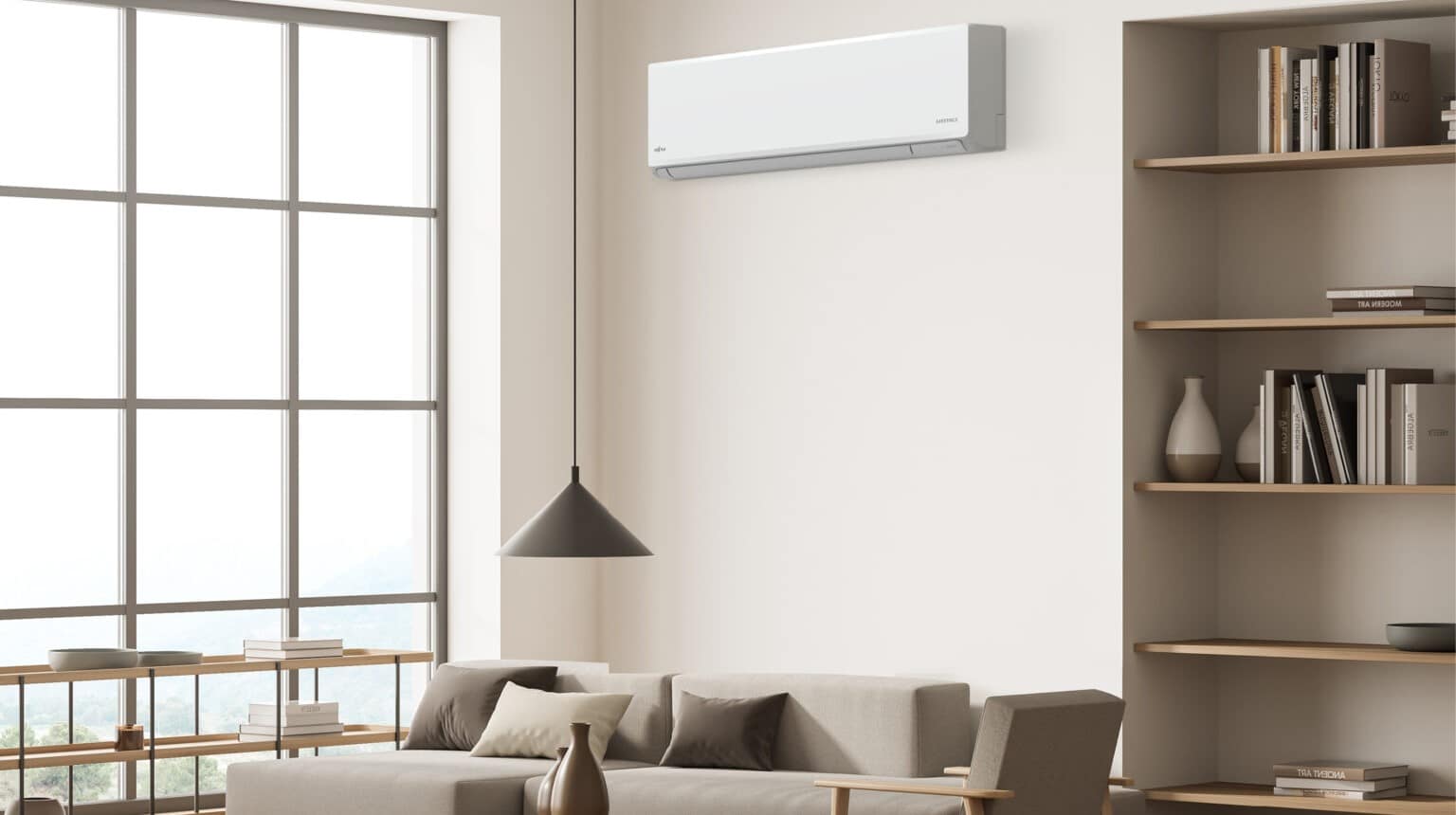
Heat waves are no longer exceptional phenomena, but a reality that is becoming increasingly frequent. In a context of extreme temperatures, air conditioning is playing an increasing role in protecting health, especially among the elderly, children, and people with chronic illnesses, but its use also raises challenges related to energy consumption and building efficiency.
To respond to this scenario, Eurofred, a company specializing in climate control solutions, has gathered a set of 10+1 recommendations intended to help consumers and businesses use equipment more efficiently, balancing thermal comfort, energy savings, and sustainability.
The company notes that extreme heat is associated with an increase in cardiovascular and respiratory problems, as well as cases of heat stroke, arguing that cooling should be integrated into strategies for adapting to climate change. The position is supported by a study from the Barcelona Institute for Global Health (ISGlobal), according to which the expansion of air conditioning system use is associated with a reduction of about 28.6% in heat-related mortality and 31.5% of deaths during extreme heat waves.
Among the recommendations from Eurofred, the first is the choice of equipment with high energy efficiency, preferably classified as A+++, and correctly sized for the space where they will be installed, avoiding consumption higher than necessary. The company also advises considering indicators such as SEER and SCOP, which allow assessing the energy performance of equipment throughout the year.
The location of indoor and outdoor units is another aspect highlighted. Avoiding obstructions to air circulation and protecting the units from direct exposure to extreme conditions can significantly improve system performance.
Installation should be carried out by qualified professionals, since incorrect assembly can reduce efficiency, increase energy consumption, and shorten the equipment’s life.
Daily use also influences consumption. Eurofred recommends maintaining a stable temperature and avoiding large differences between interior and exterior, noting that every additional degree of cooling represents an increase in energy consumption. Scheduling operating times and using remote control via mobile apps can also prevent the equipment from staying on when it is not needed.
Regular maintenance is another essential point. Regularly cleaning filters and carrying out preventive inspections helps preserve system performance, improves indoor air quality, and reduces the risk of faults during periods of peak use.
To reduce the need for cooling, the company also recommends limiting heat gains inside buildings, keeping doors and windows closed during the hottest hours, reinforcing thermal insulation and reducing direct entry of solar radiation.
More than relying exclusively on air conditioning, Eurofred argues that it should be integrated into a broader energy efficiency strategy, combining efficient equipment, proper installation, regular maintenance and responsible usage habits.
As an additional recommendation, the company highlights the importance of digitizing climate control systems. Remote monitoring of consumption and performance of the equipment allows anticipating maintenance needs, detecting efficiency losses, and optimizing the operation of the devices, contributing to reducing energy consumption and prolonging the life of the equipment.
According to Eurofred, in a context of climate change and increasing frequency of heat waves, ensuring thermally safe environments will be increasingly important to protect population health and ensure the continuity of economic activity, making the energy efficiency of climate control systems a determining factor for more resilient cities.
- Choose efficient equipment from the start: Opting for systems with an A+++ energy rating helps reduce energy consumption during peak months without sacrificing comfort.
- Dimension the capacity correctly: An oversized unit does not cool better and may lead to unnecessary energy consumption. The capacity should be adjusted to the area, orientation, insulation, occupancy, and internal loads of the space.
- Consider the SEER and SCOP indicators: These parameters better reflect the unit’s real energy performance over the year than its nominal capacity and help choose more economical solutions in the medium term.
- Choose the correct location for indoor and outdoor units: The position of the indoor and outdoor units directly influences performance. Avoid obstructions, promote air circulation, and protect the units from extreme exposure to improve efficiency.
- Always hire professional installers: Proper installation ensures that the equipment operates at its maximum potential, prevents performance losses, increases safety, and extends the system’s life.
- Set the temperature responsibly: Maintaining a stable temperature and avoiding abrupt changes helps reduce energy consumption. Each degree of difference can have a direct impact on energy consumption.
- Use scheduling and remote control: Program schedules, adapt operation to real habits, and prevent the unit from running unnecessarily to save energy without sacrificing comfort.
- Keep filters clean and service the system: Preventive maintenance preserves the unit’s original performance, avoids faults during peak demand periods, and contributes to better indoor air quality.
- Avoid heat gains in your home: Close doors and windows, improve insulation, and reduce direct entry of solar radiation to help the unit work less and consume less energy.
- Use air conditioning as part of a comprehensive strategy: Combining efficient equipment, professional installation, proper maintenance, and responsible usage habits allows reducing energy consumption and protecting your health during periods of extreme heat.
10+1. Digitalization of equipment to anticipate consumption and maintenance: Remote monitoring allows controlling consumption in real time, detecting performance deviations and applying predictive maintenance based on recorded data, avoiding faults, optimizing energy use and prolonging the life of the equipment.