Despite regulations and border controls, several species from other regions are entering northern European countries undetected, hidden among imported plants and flowers.
The alert is raised in an article published in the journal ‘BioScience’, in which researchers from the United Kingdom, the Netherlands and China say that these exotic species – because they do not occur naturally in the places where they end up being introduced – can become invasive species, competing with local species and even causing serious agricultural and environmental impacts.
The authors reveal that these organisms are being inadvertently imported into the United Kingdom and into northern European regions in large shipments of ornamental plants and flowers harvested in the wild, making them difficult to detect, especially with the growth of this kind of international trade.
“Even with the best of intentions, there are always unwanted hitchhikers that slip through customs controls,” said Silviu Petrovan of the University of Cambridge and one of the study’s lead authors, in a statement.
Therefore, this team argues that it is urgent to strengthen the import rules for decorative plants and flowers, since there are no signs of a slowdown in the global ornamental plant market, which is estimated to generate billions of dollars every year.
Tightening control over plant imports will not only help curb the introduction of exotic species, but also dismantle the black markets that traffic plants taken directly from the wild and that can often end up entering legal supply chains.
“Even with a global trade in cultivated ornamental plants, there remains a market for rare species taken from the wild, which can lead to rapid declines of species, as well as an increased risk of pests and plant diseases entering the supply chain,” notes Amy Hinsley of the University of Oxford and the first author of the article.
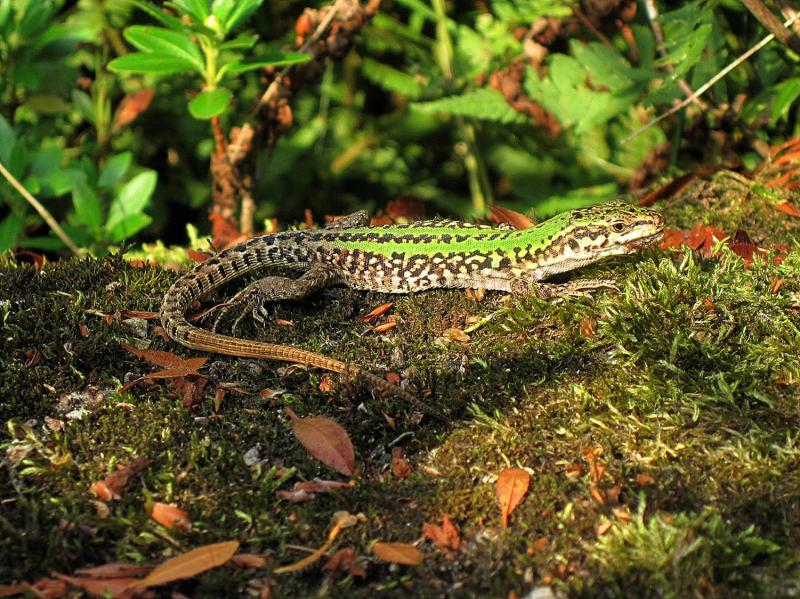
Among the organisms arriving in Europe hidden in shipments of plants are several species of reptiles, amphibians, spiders, insects and fungi, and even the plants themselves being sold could become invasive.
“We must strive to make the sector more sustainable, through certifications and better regulation, and by working with people involved in the trade to better understand the risks and the way to mitigate them,” says Petrovan.