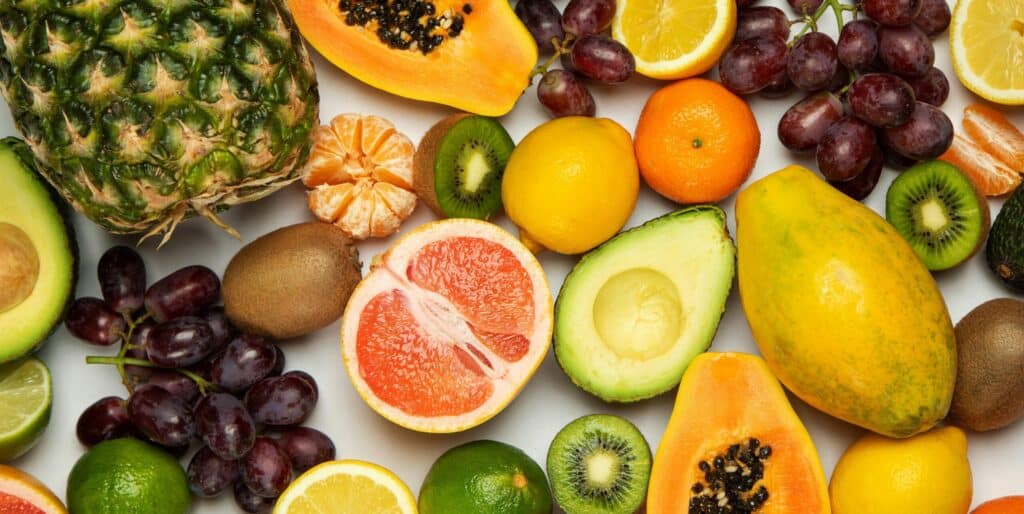
A diet rich in fruit can reduce the effects of air pollution on lung function, according to a new study presented at the Congress of the European Respiratory Society, held in Amsterdam, the Netherlands.
The research, conducted by Pimpika Kaewsri, a PhD student at the Centre for Environmental Health and Sustainability at the University of Leicester, in the United Kingdom, analyzed data from about 200,000 UK Biobank participants, cross-referencing their dietary habits with levels of exposure to air pollution and indicators of lung function.
According to the researcher, quoted in a release, “more than 90% of the global population is exposed to pollution levels above those recommended by the World Health Organization,” a finding that has consistently been associated with reduced lung function. On the other hand, earlier studies had already identified a link between a healthy diet — especially one rich in fruit and vegetables — and better respiratory capacity.
The novelty now lies in the relationship between these two factors. Kaewsri and her team sought to determine whether certain dietary patterns could attenuate the effects of pollution. The results show that, among women, those who consumed four or more portions of fruit per day exhibited a smaller reduction in lung function associated with exposure to fine particles (PM2.5) compared with those who ate less fruit.
For example, for every five micrograms per cubic meter increase in the concentration of PM2.5 in the air, lung function (measured as the forced expiratory volume in one second, FEV1) declined by an average of 78.1 ml among women with low fruit intake. In the high-consumption group, the reduction was only 57.5 ml.
The researchers believe that antioxidant and anti-inflammatory compounds present in fruit may be playing a protective role, helping to counteract the oxidative stress and inflammation caused by exposure to atmospheric pollution.
The study also showed that men, in general, consume less fruit than women, which may explain the absence of a significant protective effect in this group.
Kaewsri now intends to continue the work, investigating how diet can influence the trajectory of lung function over time.
For Sara De Matteis, a professor at the University of Turin and president of the European Respiratory Society Working Group on Occupational and Environmental Health, this study reinforces the importance of a healthy diet. “The evidence that a diet rich in fruit can have respiratory benefits is increasingly clear,” she says, warning, however, that access to this type of food remains unequal.
“The promotion of a diet based on plant-derived foods should begin early in schools, not only to prevent chronic diseases but also to reduce the environmental footprint of diets high in meat,” argues the specialist, further underscoring that these dietary measures do not substitute for governments’ responsibility in implementing effective policies to combat pollution.