Dogs and cats may readily accept pet foods that replace part of the animal-origin proteins with proteins produced from microorganisms, such as yeasts, fungi, or bacteria. An international study concluded that, in a short-term trial, the animals consumed a greater proportion of the kibble containing microbial protein.
The investigation, published in the journal PLOS One, compared two types of dry food: a conventional one based on animal-origin proteins, and another virtually identical, but in which part of those proteins had been replaced by proteins produced by microorganisms via fermentation.
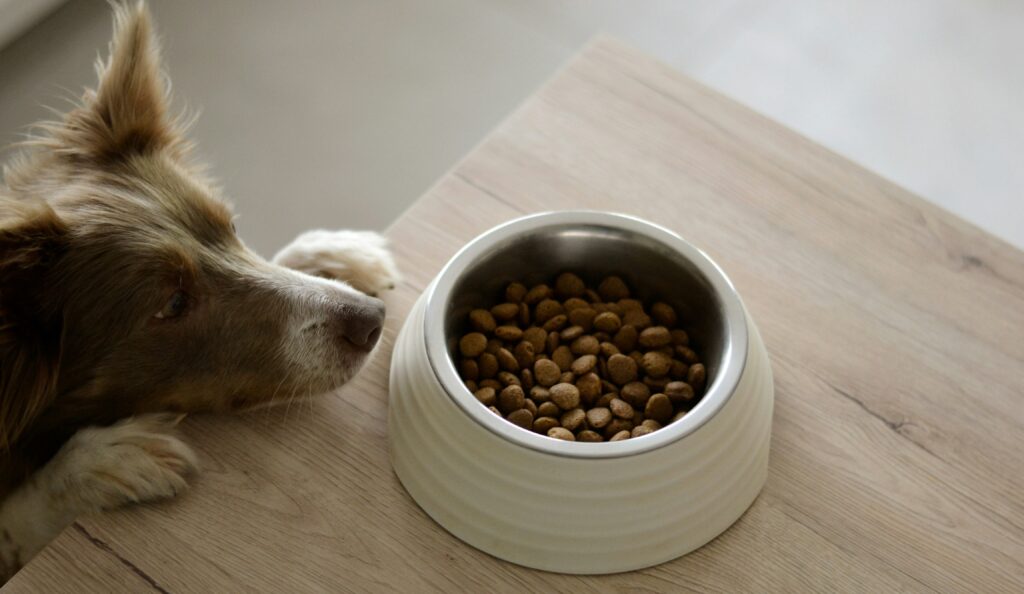
The trial involved 30 dogs and 30 cats, which received the two options simultaneously, in their own homes, during four consecutive meals over two days. The investigators recorded which of the foods was consumed in greater quantity and which was chosen first by the animals.
Dogs consumed, on average, about 72% of the kibble with microbial protein, compared to 50% of the conventional kibble. Among cats, the difference was 51% for the kibble with microbial protein and 34% for the animal-origin one. Both dogs and cats also showed a higher likelihood of approaching first the option with microbial protein.
Animal-origin proteins, mainly derived from ingredients such as fish and poultry, are traditionally used in companion animal nutrition. The search for alternatives has increased due to concerns about the future availability of these resources and the environmental impacts associated with their production.
Proteins produced through fermentation processes, using fungi, yeasts, or bacteria, have been studied as a possible alternative. Previous studies indicate that they can have adequate nutritional value and be produced with a lower environmental impact, although acceptance by the animals is also a determining factor for their use.
The authors underline that acceptance by animals is an essential issue when evaluating new ingredients for animal feed. “Demonstrating the nutritional quality is important, but, ultimately, the feeding also needs to be something that dogs and cats choose to eat.”
The research, however, only assessed the animals’ short-term preference. Longer studies will be needed to determine whether this preference persists over time and to evaluate the health effects on animals associated with ongoing consumption of microbial proteins.
The researchers consider that the results constitute a starting point for studying the potential of these proteins not only as a nutritional ingredient but also as an alternative that is accepted by the animals themselves.