Decarbonization is one of the great demands of our times. Turning the page on fossil fuels is not easy, not only because it is necessary to transform societies and economies that have depended on this type of energy for centuries, but also because the transition encounters obstacles in many other interests and agendas; witness the frustrating global climate summits.
However, and although the focus of the transition tends to fall intensely on electrification, bioenergy can be another set of arms to row toward a future without fossil fuels and a powerful ally in reducing greenhouse gas emissions and, thus, in mitigating climate change.
In an interview with Green Savers, Gonçalo Santos, CEO of Iberol and recently elected president of the board of the Portuguese Association of Bioenergy Producers (APPB), explains the potential of bioenergy in decarbonization efforts and tells us how the organization intends to boost bioenergy in Portugal.
Decarbonization and the transition beyond fossil fuels are among the great transformations in modern human history. There are great challenges, but also great opportunities. How can biofuels help in this shift?
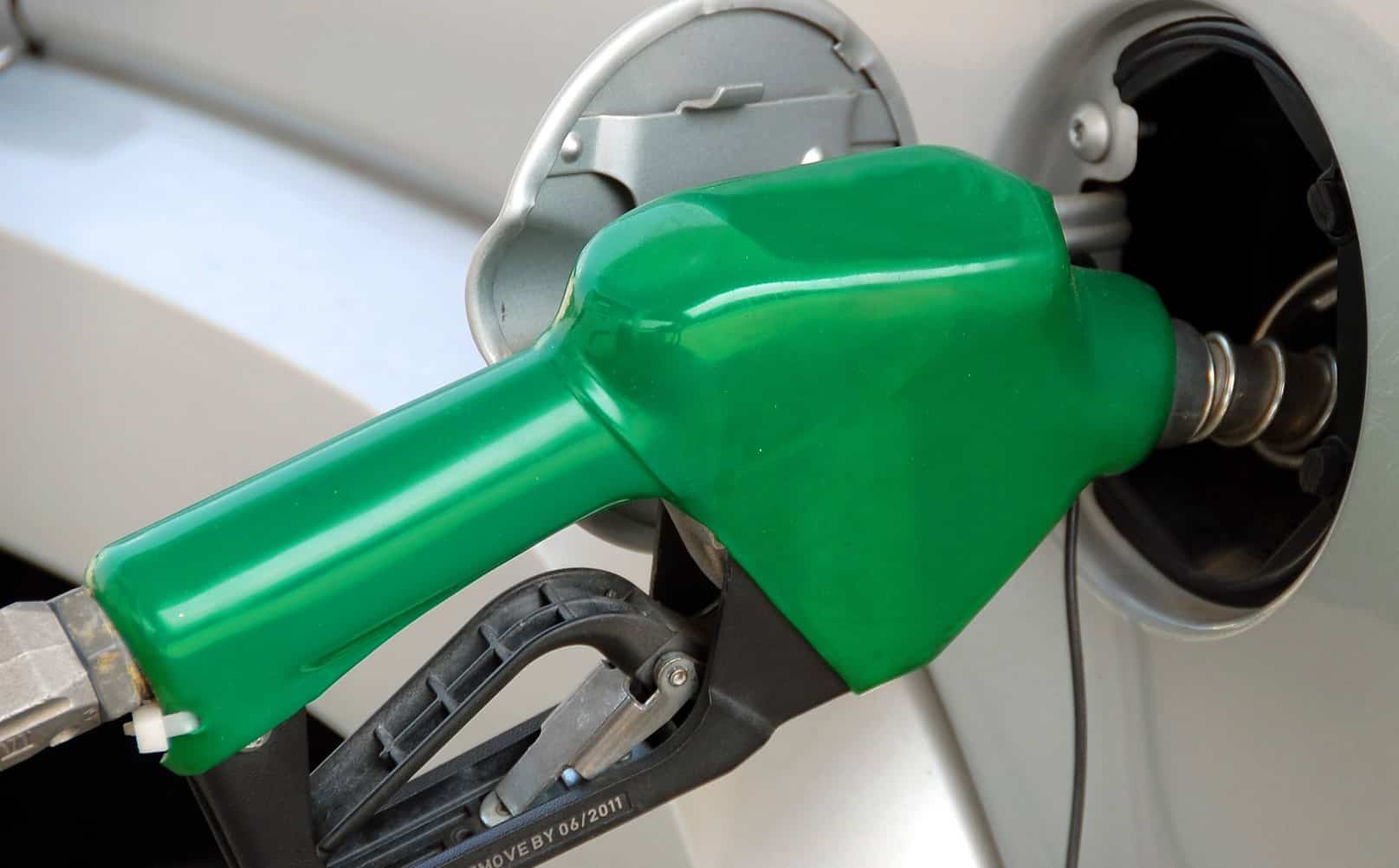
Energy needs are growing, still requiring significant use of fossil fuels. For example, CO2 emissions from transportation in Europe have consistently increased, despite the renewable targets defined by the European Union. In this sense, biofuels are currently the fastest way to decarbonize transport, offering a set of proven solutions that can be used, from road transport to aviation, including maritime transport.
At the same time, to be fair, the energy transition must be socially and economically viable. While no single solution can, by itself, satisfy this purpose, biofuels provide a substantial fraction of the solution to that problem.
A great emphasis has been placed on electrification as a means to realize this transformation. Electric vehicles are highly popular and in demand, and there are public programs to incentivize electrification, both in transport, as in our homes and in industry. Electrification can entail significant structural changes, but could replacing fossil fuels with biofuels be easier?
The switch—or rather the incorporation—of biofuels is today an economically effective reality that provides a socially viable solution that, objectively, is compatible with the necessarily slow pace of electric mobility in transport. It should be added that, in several cases, implementing electrification will be quite difficult, as is the case with heavy goods transport and maritime and air transport.
No domestic sector or industry, on the other hand, should ignore energy costs and, specifically, the situation that, as of today, electricity is more expensive than gas.
Not everything is electrifiable in uses, and with regard to unit energy costs, there is still a path to travel.
Bioenergy enters the spectrum of the circular economy, right? Taking advantage of what would otherwise be considered “waste” and giving it a new value. How can bioenergy contribute to circularity and environmental protection, knowing that circularity, at least that is the intention, reduces pressure on so-called “virgin” natural resources?
This is a strong point of bioenergy, both for liquid biofuels and for gases, notably biomethane.
Bioenergy not only provides carbon-neutral energy sources but, through national use of leftover materials—used cooking oils, urban waste, sewage sludge, livestock effluents, and food leftovers—avoids methane emissions from organic degradation.
These emissions, if avoided, are of far greater value than their reduction by burning, since methane has a greenhouse effect more than 20 times greater than carbon dioxide.
However, for the renewable targets Europe aims for by 2050, the circular economy will hardly be able to meet such demand, so the use of resources such as virgin vegetable oils will continue to be important in decarbonization, in addition to ensuring a balance with animal and consequently human nutrition, since they are a by-product of oilseeds that provide the protein feed for animals.
Are biofuels more sustainable than electrification? There is still combustion and greenhouse gas emissions, isn’t there?
We do not subscribe to this “dichotomy.” Electricity can be fully renewable and has no emissions at the point of use. However, biofuels today—mostly—achieve between 80% to 90% reductions in emissions relative to the reference fuel and, due to limits on their availability, they constitute a complementary solution with a reasonable cost and, therefore, indispensable.
When we talk about electrification and bioenergy, do you see these two dimensions as mutually exclusive or can they be combined to reap the best of both worlds and strengthen the transition beyond fossil fuels?
We maintain the conviction of complementarity and fight for it to be recognized at all times, but, for now, as a socially and economically sustainable path for the energy transition.
Is it possible for biofuels to completely replace fossil fuels? Is there production capacity for this? In transport, would engines be ready for total substitution?
Energy consumption in transport, which, realistically, will not be reduced, far exceeds the current capacities for bioenergy production.
Depending on the type of biofuels, notably HVO [hydrotreated vegetable oil], substitution can be total. In the case of newer engines, biodiesel is also an option at a more affordable price.
However, what is expected is a reduction of fossil fuels in road transport, whether through electrification or through much more efficient engines.
In Portugal, is bioenergy significant? What are the main obstacles to greater expansion of bioenergy in the country, and where should priority be given to achieve it?
Bioenergy, as a whole, has a strong presence in Portugal’s energy mix. In transport, about 6% due to biofuels. In industry, more than 25% due to forestry-based industries. In national terms, around 16% according to the 2024 National Energy Balance.
Can bioenergy be a way to ensure energy supply stability and resilience?
Bioenergy is a form of energy that is independent, secure, and provided by nature.
Moreover, for reasons of unavailability and for mere security, we should always rely on more than one source of energy.
Recently you were elected president of the board of the Portuguese Association of Bioenergy Producers. What priorities have you set for bioenergy to have greater prominence in Portugal?
Since carbon neutrality is a European objective, as President of APPB I will argue, first of all, that we have clear regulation with medium- and long-term goals, so that economic agents can make the necessary investments to install sufficient bioenergy production capacity to reach these targets. This applies not only to biofuels but also to biomethane.
We will also continue to defend both technological neutrality and neutrality in the use of raw materials, because the limitations imposed on either of these aspects will condition the achievement of Europe’s renewable targets, whether due to the absence of sufficient supply to meet needs, or due to the high cost that will burden consumers and economic agents.