The Albufeira General Drainage Plan, launched by the Algarve municipality in 2016, will be resumed by the Portuguese Environment Agency (APA) and will involve an investment of 46 million euros, announced today by the Environment Minister.
This plan was originally presented in 2016 by the Albufeira town hall, in the Faro district, as a response to the floods of November 1, 2025, and included the construction of a tunnel to divert the flow of the stream that crosses the city directly to the sea, a project that never progressed.
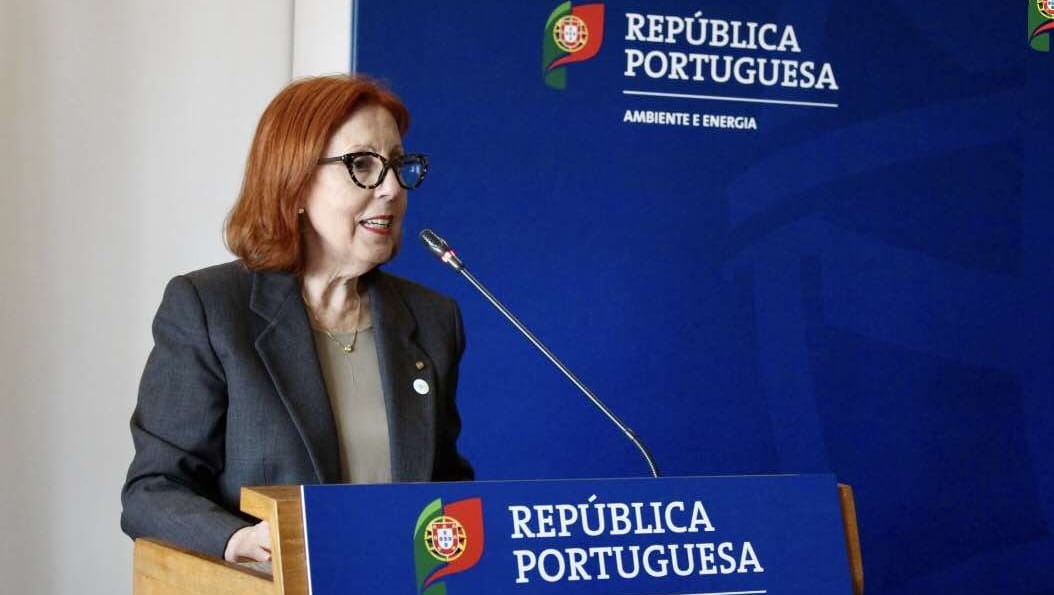
From now on, the drainage plan “is being prepared in collaboration with the municipality, but is being led by the Portuguese Environment Agency,” revealed the Environment Minister, Maria da Graça Carvalho, to journalists, in Quarteira, in the municipality of Loulé, during a press conference on investments in the sector in the Algarve.
“It is a large project, perhaps one of the largest at the national level, except for Lisbon, which is a very large project, but it is almost comparable to that,” she noted, emphasising that it will solve the problem of one of the areas most exposed to floods in the Algarve region.
The official indicated that the plan will cost 46 million euros, to be borne by Sustainable 2030, a programme dedicated to climate action and sustainability projects and funded by the Cohesion Fund.
“It was a plan that had already been foreseen. The good news is that it already has maturity, there is already a project, which will have to undergo an environmental impact assessment,” added the APA president, who accompanied the minister at the press conference.
According to José Pimenta Machado, the main work of the Albufeira drainage plan will be a tunnel valued at 33 million euros, an increase of more than 100% compared with the 15 million euros of investment that had been projected for this specific project ten years ago.
The tunnel, extending 1.5 kilometres, will divert the flow of the Albufeira stream and free the low-lying areas of the city, channeling the water directly to the ocean, explained in 2016 José Saldanha Matos, full professor at the Instituto Superior Técnico who developed the drainage plan.
The storm of November 1, 2015 mainly affected the lower part of Albufeira, where, in some cases, the water reached 1.80 metres in height, causing damage to the public road and losses of thousands of euros for merchants and entrepreneurs.
As part of the drainage plan, the pumping station at Praça dos Pescadores and the western mid-slope collector have already been built, along with a stormwater drainage infrastructure in the Cerro Grande area, among other interventions, with still to be built, besides the tunnel, another collector to the east.
During her visit to the Algarve, the Environment Minister presides this afternoon in Faro over the signing of the first tranche of payments from the Environmental Fund, worth 3.7 million euros, for investments in smart water management in the region.
The projects will be financed 40% by the Environmental Fund, with the remaining share secured by the Algarve 2030 operational programme, with a total investment of 120 million euros planned by 2028, Maria da Graça Carvalho stated in Quarteira.
The aim is to reduce water losses in public supply networks from 20% to 15%, she added.
As for the Algarve coastline, around 32 million euros of investment are planned in the municipalities of Loulé, Faro, Portimão, Lagos and Albufeira, she pointed out.
These works involve the replenishment of beaches, the rehabilitation of cliffs, and the restructuring of Quarteira’s breakwaters to reduce the impact of coastal erosion, indicated the president of the APA.