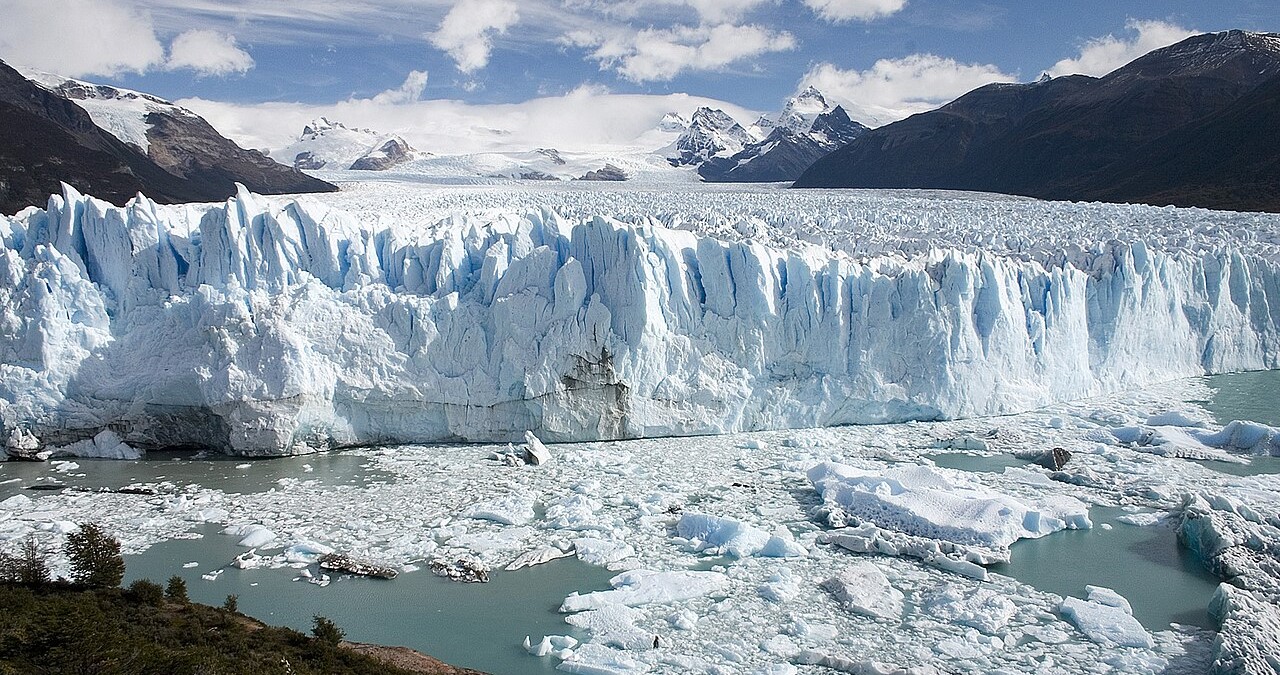
The Argentine Senate today approved and sent to the Chamber of Deputies for debate a bill promoted by the government of Javier Milei that seeks to promote mining projects in areas near glaciers.
The reform of the new Glaciers Law, rejected by several environmental organizations, reduces protected areas and allows new investments in mining in areas currently safeguarded by the existing legislation.
According to La Nación newspaper, the reform was approved with 40 votes in favor, 31 against, and only one abstention, now awaiting a vote in the Chamber of Deputies.
The President of the Senate, Patricia Bullrich, former Minister of Security and one of the president’s closest allies, defended the reform as proof that Argentina “is a country that takes care of its provinces,” arguing that, under the current law, “protection meant paralysis.”
“We chose to intervene at this historic moment, which will allow Argentina to enter the enormous energy transition that humanity is undergoing and that will benefit our people,” she stated.
The bill, which the Milei government presented to Congress at the end of last year, grants the states the power to determine the periglacial zones (areas near glaciers) where mining activities may be permitted.
The initiative amends the Glaciers Law, enacted in 2010 in Argentina, a pioneering law in Latin America that establishes the protection of glaciers and the periglacial environment as strategic water reserves.
The government argued that this change to the Glaciers Law is necessary to contribute to the country’s economic development, boosting mining, a sector that currently receives significant investments, especially in lithium, copper and gold.
Mining companies argue that not all periglacial environments constitute “strategic reserves of water resources” that require protection, and that a case-by-case assessment by the provinces could authorize production projects in areas near glaciers “without relevant hydrological function”.
Several senators from different opposition blocs questioned the government’s initiative, arguing that it weakens glacier protection and presents “constitutional flaws”.
The bill sparked strong contestation from environmental organizations, which warn of the risk to important water reserves and the impossibility of private interests overriding the collective right to a healthy environment, enshrined in the National Constitution.
One of these organizations is Greenpeace, which held a morning protest at the National Congress that ended with the detention of about a dozen activists and a camera operator from the A24 news channel, who was injured.
In Argentina, there is no national register of mining projects in glacier and periglacial environments, but environmentalists agree that many mining concessions affect or could affect the glaciers and their surroundings.
In 2016, a government report acknowledged the existence of 44 mining projects — out of a total of 77 — in periglacial environments.
Since then, there have been no new official data, but it is presumed that the real number is much higher due to the explosive growth of mining in Argentina: in the last three years alone, the number of projects in the country rose from 160 to 325.