Scientists have long warned about the dangers of microplastics in oceans and drinking water. But a new study has revealed a shocking source of contamination much closer to home: the very kitchen tools we use to prepare food.
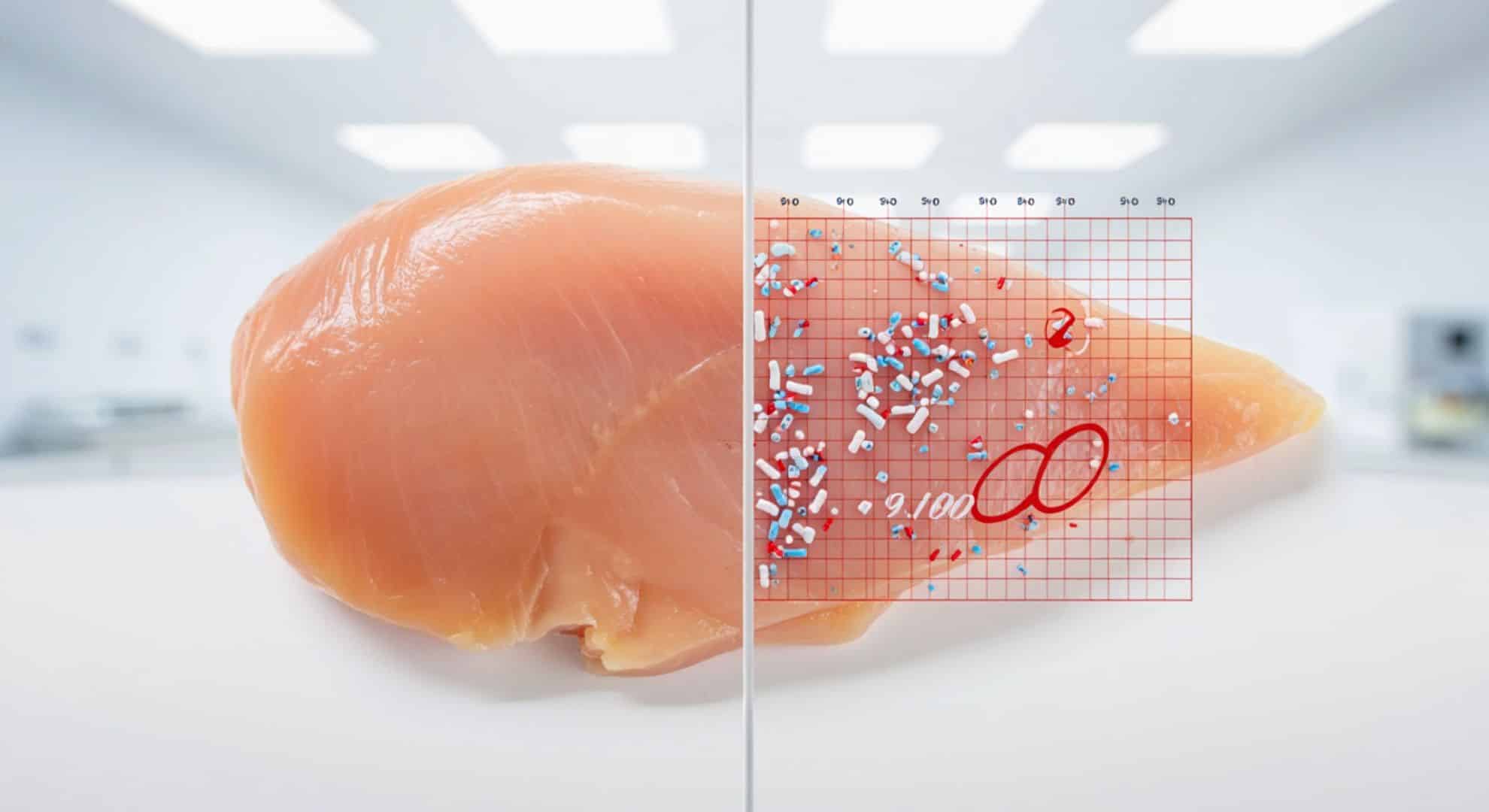
According to researchers, a single use of certain plastic utensils — like cutting boards and food containers — can release up to 9,100 microplastic particles directly into your meal.
“We expected to find some level of plastic shedding, but the numbers were far higher than we imagined.
It’s a direct pathway of microplastics into the human body,” said Dr. Emily Carter, lead author of the study.
How do microplastics get into your food?
Everyday kitchen objects made from polyethylene and polypropylene, such as plastic cutting boards, spatulas, and storage boxes, undergo wear and tear every time you use them. Tiny fragments break off and mix with your food — especially when exposed to sharp knives, heat, or acidic ingredients.
Researchers identified several key factors that increase the release of particles:
- Cutting and chopping: knives scraping plastic cutting boards cause direct shedding.
- Heat exposure: microwaving plastic containers accelerates microplastic release.
- Acidic foods: vinegar, tomato, and citrus increase breakdown of polymers.
- Aging and scratches: older, worn surfaces release more particles than new ones.
- Frequent washing: harsh scrubbing with sponges further weakens the material.
“People think plastics are inert, but they’re constantly degrading.
Each scratch or cut is a source of invisible plastic pollution in your dinner,” explains Mark Jensen, environmental chemist.
Which objects are the biggest culprits?
While microplastics can be released from a wide range of products, the study found that plastic cutting boards were the single largest contributor, followed by microwavable containers.
| Kitchen Object | Average Microplastics Released per Use |
|---|---|
| Plastic cutting board | Up to 9,100 particles |
| Microwavable food container | 3,500 – 5,000 particles |
| Plastic spatula | 1,000 – 1,500 particles |
| Plastic strainer/colander | 800 – 1,200 particles |
| Reusable plastic bottles | 500 – 700 particles (per refill) |
The results show how even simple, routine cooking steps can introduce thousands of plastic fragments into a single meal.
What does this mean for health?
Although research is still ongoing, scientists are increasingly concerned about the long-term effects of microplastic ingestion. Early studies suggest links to:
- Inflammation in the digestive tract
- Disruption of hormone regulation
- Potential impacts on fertility and immunity
- Accumulation in vital organs over time
While no direct “safe limit” has been established yet, experts agree that minimizing exposure is the wisest choice.
How to reduce microplastics in your meals
The good news: simple changes in the kitchen can dramatically reduce exposure. Experts recommend:
- Switch to wooden or bamboo cutting boards instead of plastic.
- Use glass or stainless steel containers for microwaving and storage.
- Replace old, scratched utensils with safer alternatives.
- Avoid single-use plastics wherever possible.
- Wash kitchenware gently to limit surface damage.
Even small adjustments can lower the amount of plastic your family consumes every day.
Microplastics may be invisible to the naked eye, but they’re silently entering our food chain. What looks like a harmless kitchen habit may, in fact, be a steady drip of plastic pollution served at the dinner table.