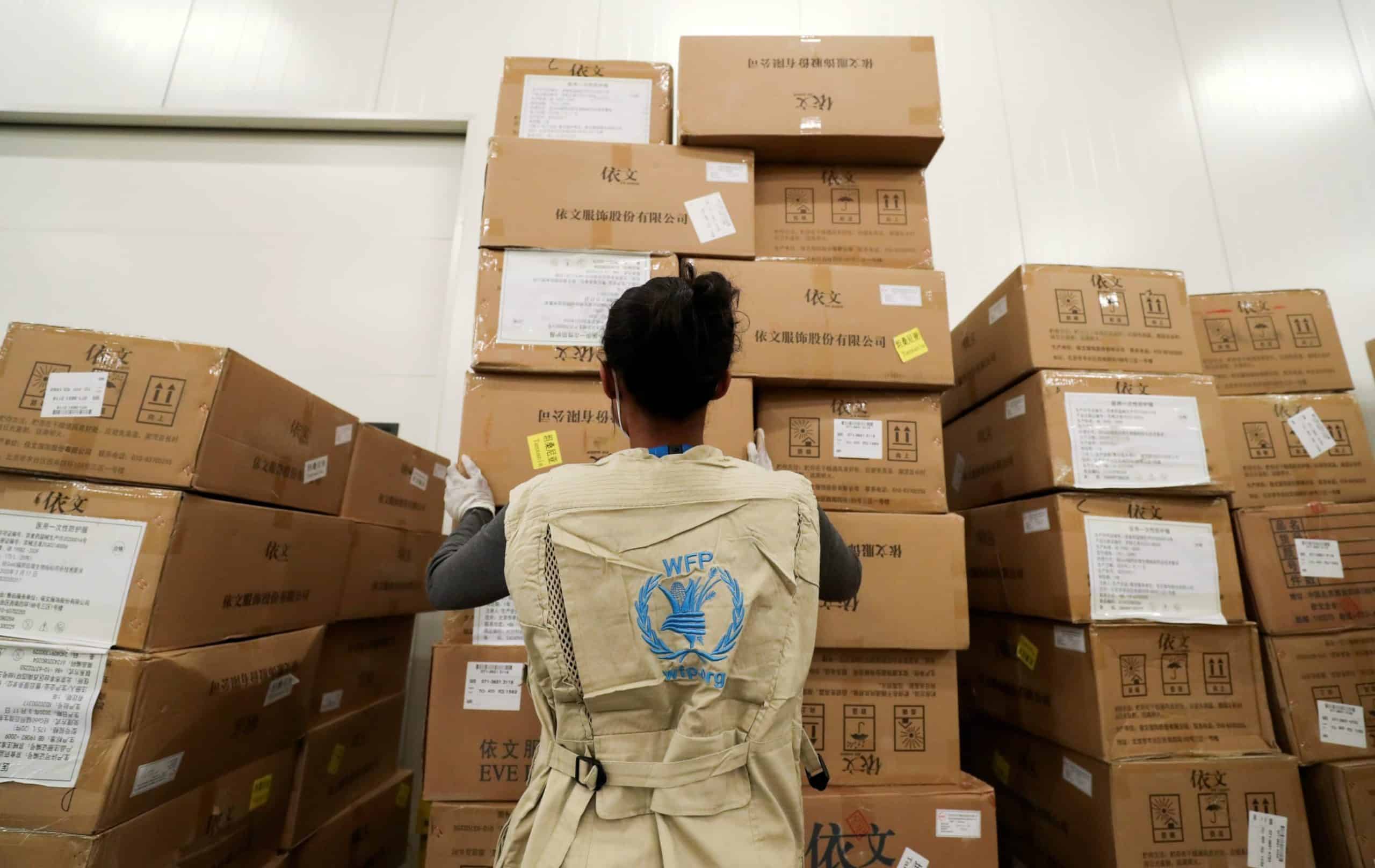
They rush into war zones, natural disasters, famine-stricken villages and disease outbreaks — not as soldiers or journalists, but as humanitarians. They distribute food under gunfire, deliver babies in refugee camps, and hold the hands of the dying in places the world has long forgotten.
But behind the noble mission and resilience they display, many aid workers are breaking in silence.
Post-Traumatic Stress Disorder (PTSD) is not just a condition affecting combat veterans or first responders. Increasingly, it’s haunting humanitarian workers around the globe — and few are talking about it.
“We save lives. But no one saves us.”
Marie, 38, a former nurse with a major NGO, spent six years in conflict zones — including Syria, South Sudan and Yemen. She’s helped amputate limbs with no anaesthetic, held starving children in her arms, and fled gunfire more than once.
“I didn’t realise how much I was holding in until I came home and couldn’t sleep for weeks,” she says. “Loud noises made me jump. I couldn’t enter supermarkets — too many choices, too much light. I felt numb, guilty for being safe.”
Like Marie, thousands of humanitarian workers return home with deep psychological scars.
But unlike military personnel, they often receive little to no support, no formal debriefing, and no long-term mental health follow-up.
“We’re expected to be selfless. But being selfless doesn’t mean being invincible,” says Paul, a former logistics officer with 12 missions under his belt.
A crisis hiding behind a mission
According to a study by the Antares Foundation, up to 30% of humanitarian workers show signs of PTSD, anxiety or depression after field deployment — a figure comparable to combat soldiers.
And yet, the culture of the humanitarian world often discourages vulnerability.
- Talking about trauma is often seen as a weakness.
- Seeking psychological help is perceived as a luxury.
- Many fear being labeled “not fit for the field” if they speak up.
Worse, some organisations still lack basic psychological protocols for after-action support. While donor reports obsess over supply chains and vaccination numbers, the mental state of the people running the operations is rarely monitored.
Cumulative trauma, no time to process
What makes humanitarian PTSD unique is its repetitive, prolonged nature.
One mission may expose a worker to mass displacement. The next, to famine. The third, to a cholera outbreak where they must choose who gets medicine… and who doesn’t.
“It’s not one single event,” explains Dr. Lena Alvarez, a trauma psychologist who works with MSF (Doctors Without Borders). “It’s the accumulation of moral injury, ethical dilemmas, fear, and helplessness — over and over again.”
Often, there’s no time to process. No buffer. Some workers jump from mission to mission, year after year, until something finally breaks.
The long shadow of silence
For many, the symptoms begin quietly:
- Insomnia
- Emotional detachment from family
- Panic attacks in crowded places
- Substance use as a coping mechanism
- Recurring nightmares or intrusive memories
But they escalate. Relationships collapse. Careers are abandoned. Some aid workers disappear into isolation, unable to explain their pain in a world that only saw them as “heroes”.
Tragically, suicides within the sector do occur, though they are rarely documented or discussed publicly.
What can be done?
Some organisations are finally taking action:
- Building mental health support into mission planning
- Providing peer-to-peer counselling during and after missions
- Offering psychological first aid training to staff
- Ending the stigma around seeking therapy
But the culture shift is slow — and long overdue.
“If we want to keep saving lives,” says Marie, “we need to start by saving our own.”