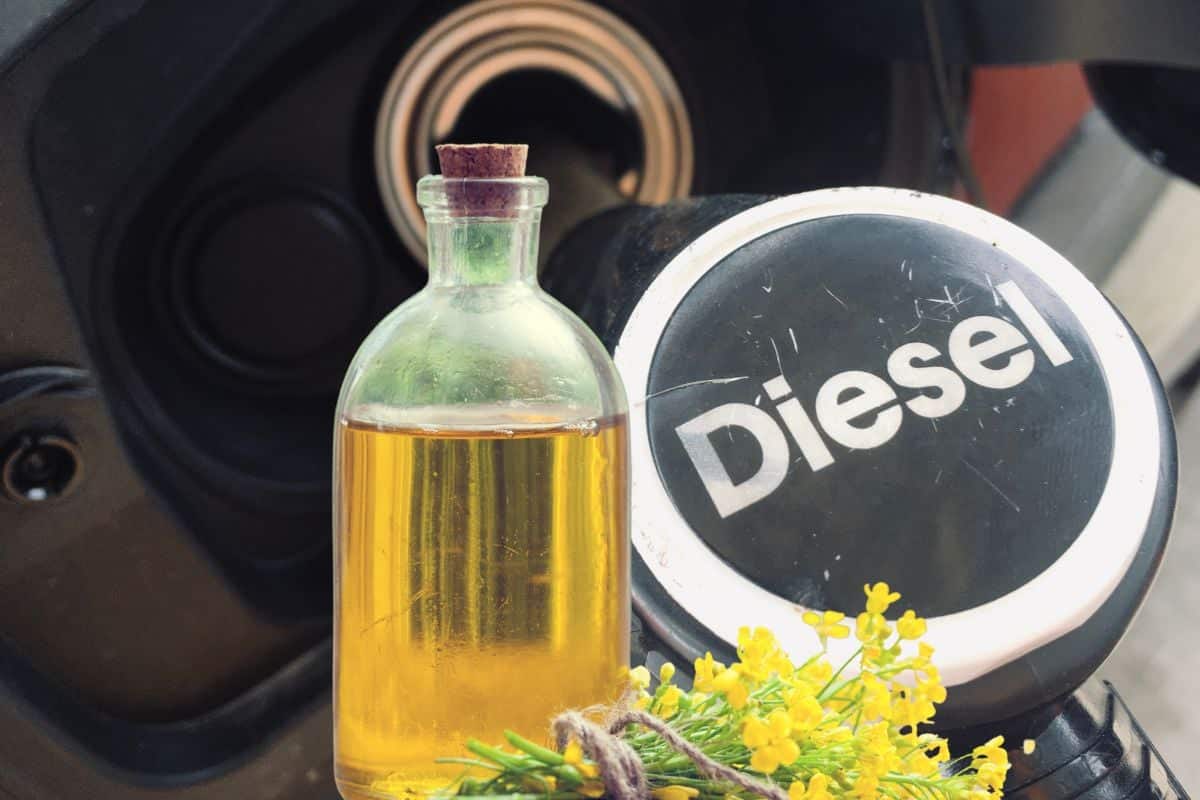
A breakthrough from a Russian research team has jolted the clean-mobility debate, hinting that combustion may still have room to run. Engineers at RUDN University report that carefully optimized diesel engines can run efficiently on rapeseed-based fuel with lower emissions and competitive performance. The findings suggest a pragmatic bridge for fleets seeking faster decarbonization without abandoning existing infrastructure.
A cleaner path for an old workhorse
Rapeseed oil brings higher viscosity and lower volatility than fossil diesel, complicating fine spray formation and stable ignition. Unmodified engines often suffer higher fuel consumption and more soot when fed with untreated vegetable oils. By tuning mixture formation and improving injection control, the RUDN approach narrows that historic gap.
The immediate lure is a renewable feedstock that taps established agricultural supply chains. If managed responsibly, rapeseed can reduce lifecycle CO2 while using the same pumps, tanks, and service skills that keep today’s trucks rolling.
The stubborn vegetable-oil hurdle
Thicker fuels resist clean atomization, creating large droplets that burn slower and produce extra particulates. Higher viscosity stresses pumps and injectors, increasing the risk of coking and nozzle deposits. Cold starts turn more difficult, and combustion harshness can raise audible noise.
Past trials showed higher specific consumption and erratic emissions under transient loads. Success depends on balancing spray penetration and droplet size, then shaping the heat-release profile across the cycle.
Inside the redesign
The reported gains center on precise injection timing and fuel-system optimization. By advancing the start of injection, engineers improved ignition phasing so denser fuel completes mixing and burns more cleanly. Nozzle flow geometry was reshaped to stabilize spray breakup and the evolving flame.
The team also explored tailored biofuel blends that adjust viscosity and boost ignitability. With strategic rail pressures and pump calibration, the engine maintained good delivery while protecting long-term durability.
- Advance injection for cleaner heat-release **control** and reliable ignition **timing**.
- Rework nozzle passages to enhance spray **atomization** and droplet **uniformity**.
- Calibrate rail pressure and pump **maps** for high-viscosity fuel **handling**.
- Blend rapeseed oil with components that improve cold-flow and **combustion** traits.
- Track injector deposits and adapt duty cycles for lasting **stability**.
Environmental and practical stakes
Cleaner combustion can cut nitrogen oxides and carbon monoxide, while better atomization reduces particulate formation. Lifecycle gains depend on farming practices, fertilizer inputs, and land-use change; responsible sourcing keeps the carbon math in favor. Because the fuel is drop-in compatible, fleets can scale fast without new chargers or massive grid upgrades.
For nations with fragile grids or long rural routes, liquid renewables promise immediate energy security. Maintenance familiarity lowers operational risk, encouraging adoption by cost-sensitive operators.
Will this eclipse EV momentum?
Electric vehicles excel in urban air quality, drivetrain simplicity, and renewable integration. Yet in heavy-duty, long-haul, and off-grid applications, energy density and refueling speed still dominate economics. A drop-in renewable that uses existing engines could slow full electrification in certain niches and diversify the climate toolkit.
A portfolio mindset beats a zero-sum fight. Cleaner combustion, greener grids, and smarter logistics can progress in parallel, each thriving where it fits best. “Engineering’s job is not to worship one solution,” a team lead noted. “It is to cut real-world emissions with the fastest, most affordable tools available today.”
What to watch next
Independent trials must validate injector health, cold-weather starts, and durability under mixed duty cycles. Policymakers will assess sustainability certifications, land safeguards, and incentives that avoid food–fuel conflicts. Engine makers may bundle retrofit kits with calibrated injectors, upgraded pumps, and verified biofuel blends.
If these elements align, industry could gain a pragmatic bridge: renewable liquids powering familiar machines while storage and grids mature. EV adoption will continue where it shines brightest, but diesel’s decline could become more gradual and nuanced. The takeaway is not a comeback myth, but a sharper, multi-lane path to lower emissions.
In the near term, the fiercest competition may be between old habits and better implementation, not between plugs and pistons. With careful calibration and responsible sourcing, this combustion rethink could turn a legacy platform into a credible clean-air ally.