From e‑waste to home power
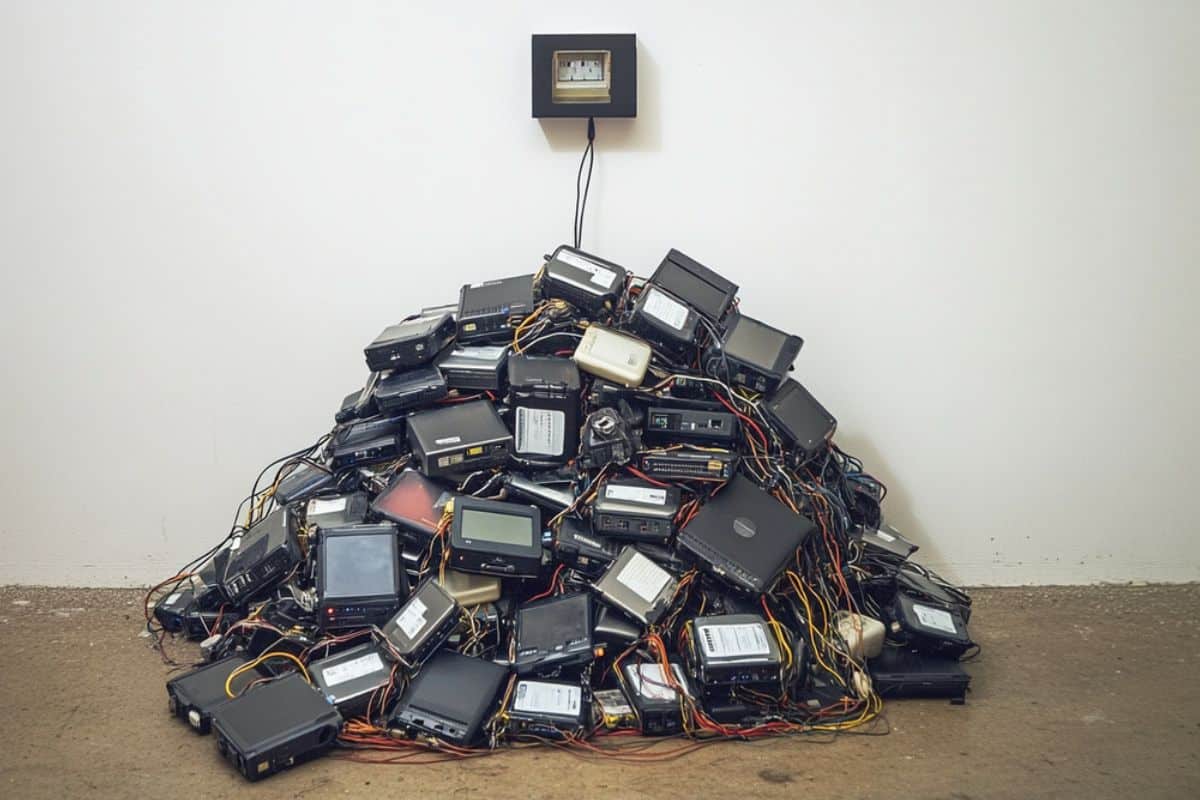
In an age of scarcity and climate pressure, one tinkerer found abundance in discarded laptop batteries. What most people deem trash, he treats as a reservoir of quiet, storable energy. Since 2016, his home has run on a growing mosaic of repurposed cells, curated with care and stubborn curiosity. The result is a decade‑long experiment in resilience, stitched together from yesterday’s gadgets and today’s sunlight.
A shed that hums like a power plant
The beating heart of the system sits in a modest shed, roughly fifty meters from the family home. Inside, neatly arranged cells feed into custom racks, charge controllers, and a solar‑coupled inverter. Old packs are dismantled, and good cells are reborn in balanced modules wired for reliability and safety. It is not a mad scientist’s lair but a tidy, methodical lab, where cables are labeled and every fuse has a clear purpose.
“I realized the world was throwing away perfectly good capacity, and I could either complain or start preserving potential.”
Building with patience and copper
The project began with a few hundred salvaged batteries, soon swelling past the mid‑hundreds and still climbing. Copper bus bars and stout cables keep resistance low and heat under tight control. Each pack is sized around a practical amp‑hour target, then paralleled to reach the day‑to‑day energy needs. Nothing is rushed; each month brings a handful of vetted cells, tested, logged, and matched by measured performance.
Early on, uneven discharge rates posed headaches that required careful balancing. Instead of using intact packs with unknown histories, he harvested individual cells and grouped them by similar health. That choice slowed the build but unlocked long‑term stability and smoother, more predictable cycling.
Solar on the roof, storage on the ground
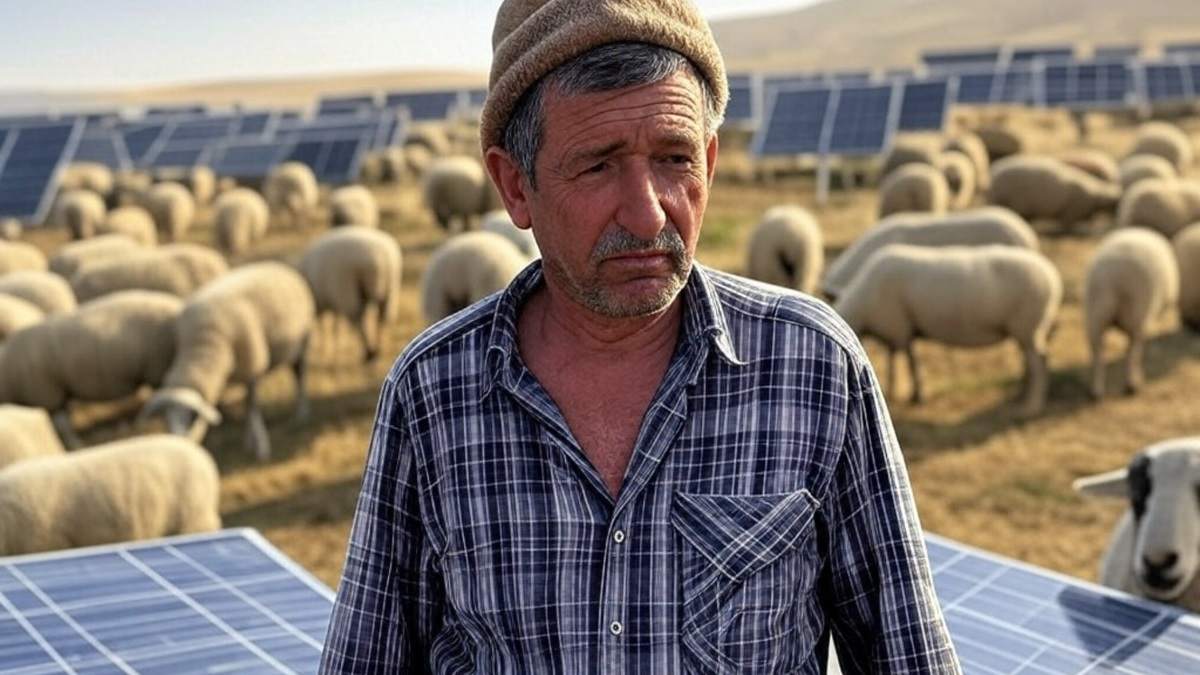
Over time, the system expanded with a field of 440‑watt panels, now spread across two dozen bright frames. Under clear skies, the array pours steady current into the racks, which soak up surplus afternoon watts. Night falls, and the house draws on stored charge without a blink or anxious meter‑watching. The rhythm is seasonal but surprisingly boring, which is exactly what good power systems should be.
No cells have required replacement, a testament to gentle charge profiles and conservative depth‑of‑discharge targets. The shed stays cool, the wiring remains tidy, and the logs show a decade of ordinary, uneventful operation. In the realm of batteries, “uneventful” is another word for success.
The safety lens
Lithium cells demand respect, and the installation reflects that truth. Each rack is fused, each conductor is sized for realistic loads, and each pack is routinely inspected. Fire risk is reduced through spacing, nonflammable surfaces, and clear ventilation paths. Monitoring catches drift before drift becomes failure, which is why boredom, again, is the best news.
He also avoids chasing maximum capacity at the cost of system life. With conservative limits and clean connections, the batteries spend their days in a comfort zone, cycling shallowly and aging slowly.
Why this matters beyond one backyard
What stands out is not just technical ingenuity, but the revaluation of electronic waste. Each recovered cell offsets mining, refining, and new manufacturing emissions. Each repack transforms a discarded component into quiet, daily utility. The project is a small, tangible rebuttal to built‑in obsolescence and the rush to perpetual upgrades.
At scale, such harvesting won’t power entire cities, but it can nibble meaningfully at local demand. Makerspaces, community co‑ops, and rural workshops can replicate the spirit, even if not the exact blueprint. The lesson is less about heroics and more about stubborn maintenance, thoughtful design, and incremental improvement.
What others can learn
- Start with clear, conservative goals, then expand as experience and parts accumulate.
- Test every cell with repeatable methods, and record results with boring rigor.
- Prioritize balance, fusing, and proper gauges before chasing higher capacity.
- Keep temperatures moderate, connections clean, and pathways well ventilated.
- Accept that progress is slow, but reliability is compounding interest.
A different story about power
The romance of this project is not about flashy numbers, but about mindful stewardship. It treats energy as a daily practice, not an invisible commodity. The shed hums, the lights stay on, and the batteries do their quiet, cyclical work. Over years, small choices accumulate into resilient infrastructure, woven from the leftovers of a hurried economy.
In that sense, the system is both personal and universal: a hobby that became a household backbone, and a blueprint for turning neglect into usefulness. What some see as risk, others see as careful craft. What some call trash, others call untapped reserve. And what started as a modest experiment has matured into a steady, sun‑fed lifeline.