Garlic extract shows antimicrobial efficacy similar to widely used antiseptics and disinfectants, such as the chlorhexidine, according to scientists in the medical field at the University of Sharjah.
Published in the journal Journal of Herbal Medicine, the study suggests that, although the garlic-based mouthwash may cause more discomfort than chlorhexidine, it offers longer-lasting residual effects.
“Chlorhexidine is widely used as a reference standard among mouthwashes, but it is associated with side effects and concerns related to antimicrobial resistance,” the authors state. “Garlic (Allium sativum), known for its natural antimicrobial properties, emerges as a possible alternative,” they add.
The conclusions are based on a systematic review of the literature, in which the authors compare the antimicrobial efficacy of garlic extract with that of chlorhexidine in clinical practice, assessing its viability as a plant-derived substitute.
The study followed the PRISMA 2020 (Preferred Reporting Items for Systematic Reviews and Meta-analyses) guidelines, designed to reinforce the credibility, completeness, and transparency of meta-analyses and systematic reviews. It also used the PICO framework, which helps define clinical questions to guide systematic reviews.
“389 articles were identified across six electronic databases in January 2024, to which 13 more were found through manual searching,,” describe the authors. “After removing duplicates and applying the inclusion and exclusion criteria, only five articles were incorporated into the analysis,” they add.
The included literature consisted of randomized clinical trials and clinical studies with varying designs and biases rated as low to moderate. The results indicate that mouthwashes with higher concentrations of garlic extract exhibit antimicrobial efficacy comparable to chlorhexidine.
“Efficacy varied depending on the concentration used and the duration of application, influencing the results,” the review states. “Some studies favored chlorhexidine in maintaining plaque pH and salivary levels, while others showed greater efficacy of garlic extract at certain concentrations. However, garlic mouthwash may cause greater discomfort.”
Although garlic extract is not free from side effects, these tend to be less intense than those associated with chemical compounds. Among the adverse effects reported are a burning sensation and an unpleasant odor, which can influence patients’ adherence to substituting chlorhexidine with garlic-based alternatives.
Despite these limitations, the review gathers substantial evidence of the garlic extract’s clinical antimicrobial efficacy, “with significant reductions in bacterial counts against reference values… suggesting the possible use of garlic extract mouthwashes as a viable alternative to chlorhexidine in certain contexts.”
The authors emphasize the need for further clinical investigation, with larger samples and longer follow-up, to confirm the “efficacy and improve the clinical applicability” of using garlic as an alternative mouthwash, considering that chlorhexidine continues to be the widely used antimicrobial standard.
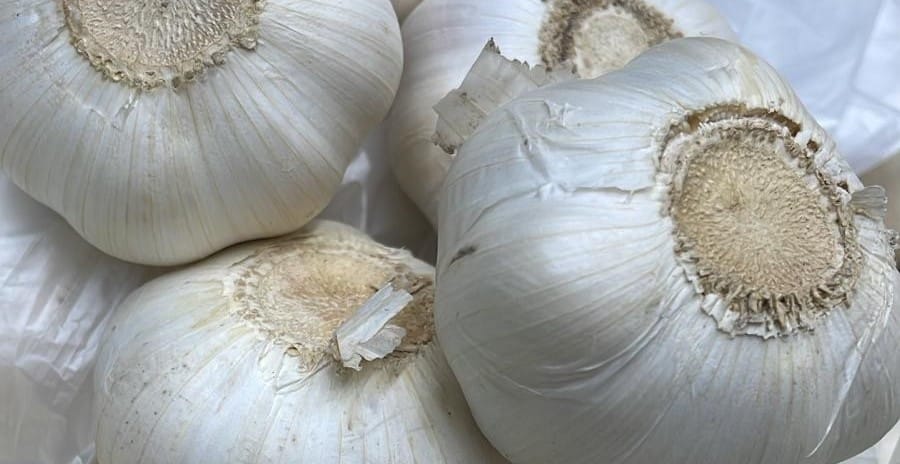
Research has already established garlic as one of the natural products with the greatest antibacterial and antifungal potential. For decades, scientists have sought to explore one of its compounds — allicin — due to its strong antimicrobial properties. Although botanically classified as a vegetable, garlic is used both as an aromatic herb and a seasoning.
Global garlic consumption reached about 30 million tons in 2024, led by China, representing almost 80% of global production. In that same year, the global garlic extract market surpassed 15 billion dollars.
Garlic extracts have been incorporated into various health products and are available over the counter. In contrast, synthetic agents such as chlorhexidine generally require a prescription from dentists or physicians.
“Antimicrobial mouthwashes are an essential complement to oral and dental hygiene, acting against diseases caused by bacteria, fungi, or viruses that affect the hard or soft tissues of the mouth,” the review states. “Different antimicrobial mouthwashes, available over the counter or by prescription, can be used in managing gingivitis, caries, periodontal diseases, halitosis, among others.”
The review cites several studies demonstrating the antimicrobial activity of garlic extracts against multiple bacteria, fungi, and viruses. It also shows that these extracts have been investigated in contexts such as prosthetic stomatitis, disinfection of dentinal tubules, and as intracanal medication.
“These studies contributed to the understanding of the antimicrobial role of garlic extract in comparison with synthetic agents such as chlorhexidine,” observe the authors. “However, most are in vitro, use heterogeneous methods, and lack clinical standardization, which highlights the need for more research to confirm garlic’s efficacy in dental practice. This uncertainty represents a significant gap in the literature on evidence-based antimicrobial therapies,” they conclude.