Christmas is at the door and, more than ever, it is necessary to preserve the Planet. At this moment, it may seem that sustainability must be put away, but Ana Milhazes, founder of Lixo Zero Portugal, in conversation with Green Savers, says that we need to do precisely the opposite and offers tips so that sustainability can be the “main course” of the season.
I know that those who have kids like to do something different every year; it’s something we can also do with materials we have at home, from reusing cardboard, the wrapping paper, for the children to draw, even with natural elements. The pinecones are fun to collect with the kids or using the leaves that have fallen to the ground.
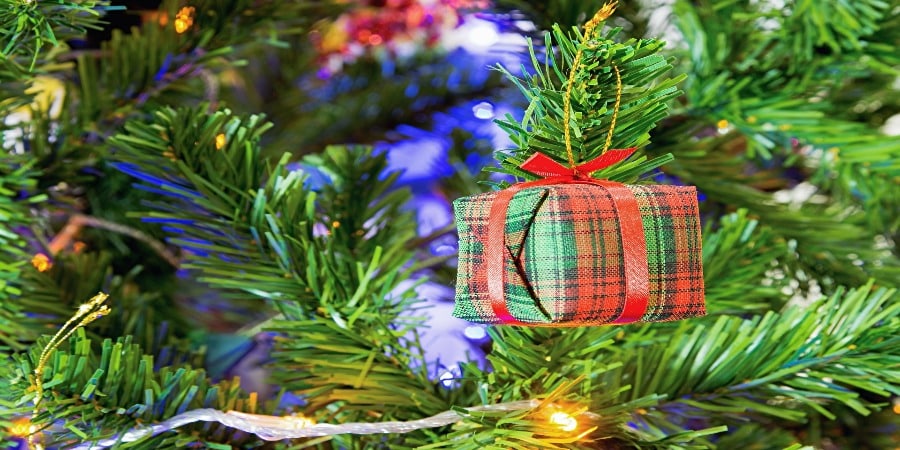
Take advantage of what you have at home for decoration
“If we can use what we already have at home, the better. People often say ‘oh, but I have a plastic tree, I would even prefer something more sustainable’. Yes, it is plastic, that’s true, but if it’s something I’ve had for a very long time and it’s still in good condition, obviously I should keep using it. And regarding other types of decoration or details. I know that those with children like to do something different every year, and it’s something we can also do with materials we have at home, from using cardboard, wrapping paper, for the kids to draw, even with natural elements. The pinecones that are fun to collect with the kids or using the leaves that have fallen to the ground. Just the other day I was giving a talk precisely on this topic and the stage was really well decorated and the lady who was there, who has a shop and plants and makes many arrangements, picks up the leaves from the ground, leaves that have already fallen, and makes the arrangements. When she removes them, she reuses them for other arrangements. So, just by looking I took away a whole series of ideas for myself as well.”
We offer our presence, not only on Christmas Day, but we can be together on other days, before or after, and we agree that we will not give any gifts. In the end, it’s a bit of taking an anti-consumption stance in a season of high consumption.
Offer a useful gift, a basket with various products, or don’t give at all
Regarding the presents, Ana Milhazes says she will “always go from the radical alternative to the least radical. The most radical is obviously to agree and say that this year, no one gives gifts. We offer our presence, not only on Christmas Day, but we can be together on other days, before or after, and we agree that we will not give any gifts. In short, it’s a bit of an anti-consumption stance during a time of great consumption. If we really want to offer something, there are many, many things we can offer, from so-called useful gifts—things we know the other person needs (we’ll be more attentive or ask directly), to taking the opportunity to offer perhaps more sustainable gifts/alternatives, such as a basket with various products, for example from a bulk store or a store that also carries sustainable products, from kitchen-cleaning kits to personal hygiene.
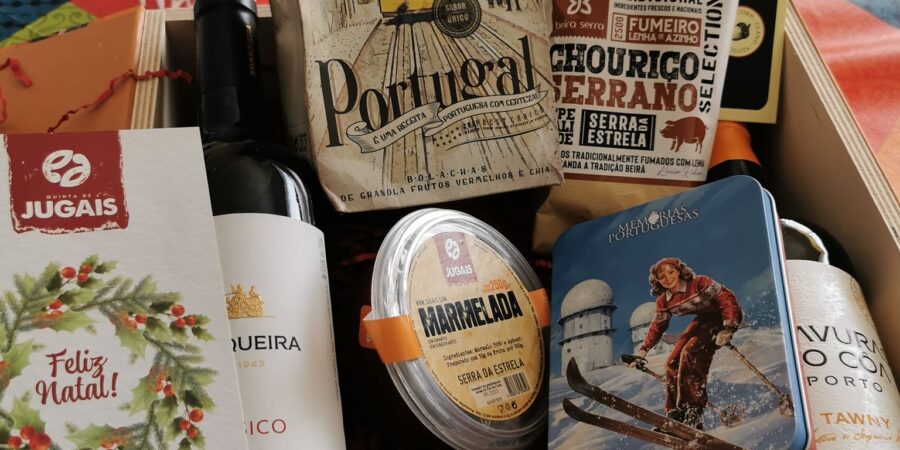
We can opt for a slightly smaller brand, local commerce. We can buy a sustainable product, for example, at the grocery store near home. This way it is always more sustainable because we know we are supporting that specific family, we are not giving our money to a large corporation, a big chain.
And greenwashing. How to distinguish?
“The ideal,” explains Ana, is, “if you have someone you trust to advise you who already follows the area, even better. We know that stores like ‘Mind The Trash’ started out of love for the cause and you can clearly see it in the type of products they carry, in the way they wrap orders and everything else. Therefore, I would say it isn’t difficult. We can opt for a brand a little smaller, local commerce. We can buy a sustainable product, for example, at the grocery store next to home. This is always more sustainable because we know we are supporting that particular family, not giving our money to a large corporation or chain. So, this will always be an easier way. It even applies in large chains – because imagine that person typically goes to that place, the shopping center near work – there are alternatives for everyone. I myself, within a big brand, if I opt for products from the line called green or the more sustainable line, it’s already better than opting for the other products. There is always the ideal and what we can do. And I may not be able to shop at local grocery stores because it can be a bit more expensive. Maybe there isn’t anything I truly like there. So even within big brands, I can choose the more sustainable alternatives. Therefore, there are a number of ideas we can follow alongside experiences. If you don’t want to give anything physical, which, for me, is always confusing because we already have so much stuff at home (unless it’s something we really need), there are experiences we can offer.”

[Children] receive so many things that they don’t even pay attention. Perhaps if we offer a child a ticket to a show of some cartoons they like (there are many shows this Christmas season), it can be something positive and that they will value and, in the end, it’s an experience to also learn to value.
But it’s hard not to offer gifts to children…
“Yes. And children receive a lot of things. And they receive so much that they don’t even care. Perhaps if we offer a child a ticket to a show of some cartoons they like (there are many shows this Christmas time), it can be something positive and that they will value and, in the end, it’s an experience to also learn to value. I think anyone with children, especially, has here a role — a bit like on a birthday, but at Christmas even more because they might receive many more gifts — to have this educational part. I can take the opportunity to share with my nieces, with my children that it’s important that, if I already have many toys, let’s imagine we’re in the child’s room, that the lower part of the wardrobe is the zone for toys, it’s only that area; if I’m going to receive more toys this Christmas they won’t fit there. So, we should teach the child from an early age: “okay, you will receive more toys certainly this Christmas; let’s maybe take out some toys and give them to boys who don’t have that opportunity.” So, it’s also a way to educate about sharing. Then, you can also talk with family and friends to not give as many presents. Agree on how many gifts the child can receive, because what tends to happen is that the gifts from grandparents, aunts, uncles are so many that the child won’t value them! What happens: they grab a toy, unwrap it, and it’s the same pattern of tearing and reaching for the next. So, essentially, it’s also about talking with people and agreeing, for example, to give one bigger, more expensive gift but everyone contributes to it, so the child gets fewer items. Ultimately, the child gets used to playing with less and values much more what they have. It also happens with adults: if we have to choose one thing among 30 options, it’s much harder than if there are three.”

If we opt for candles, there are already several, for example soy-based ones that are much more eco-friendly and much more natural and healthier for us, because conventional candles, when you think about it, are really burning and are a derivative of petroleum
Prepare the Christmas Eve and Christmas Day table with natural elements
Ana Milhazes suggests that you set up the Christmas table with “many natural elements, pinecones, cinnamon sticks, sprigs picked from the ground. It looks very beautiful and then it’s something we can either reuse for other decorations or put in the compost.”
And the lights?
“There are several alternatives. There are obviously LEDs, there are battery-powered lights and, if you opt for those, use rechargeable batteries. The issue with candles, if we opt for candles, there are several options, for example, soy-based ones that are much more eco-friendly and natural and healthier for us, because conventional candles, if you think about it, are actually burning and are a derivative of petroleum.”

For those who have a knack for sewing, just do upcycling, for example, add embroidery and you already have a sweater completely different for Christmas!
Wear new, but used
“I know that many people like to wear new clothes. We can wear new clothes, but they don’t have to be truly brand-new. That is, I don’t have to go to a store and buy something completely new. I can, for example, buy second-hand, in a shop, at a swap market – there have been several this Christmas season where you can buy very beautiful things, often different and original – or we can even do swaps among friends and family, which is something I often do because sometimes there are pieces in great condition that we’ve grown tired of, but for someone else it will be like new. If you have sewing skills, do some upcycling, for example, add embroidery and you’ll have a sweater that looks completely different for Christmas!”

Try to anticipate meals as well, obviously leaving a little extra because people like to share and take some home, but always aim to cook for deficits. There is a tendency to overdo it. No! Let’s err on the side of modesty and make a little less.
And food waste? How can we reduce it this time of year?
“I would say that, above all, if we can do our shopping at the local market, near our homes, that will always be the best way, because we’ll be supporting that small business rather than a large supermarket chain. So that can be the starting point. Then, I know people like lavish tables and it’s not by chance. In Portugal, a few years ago (and my own family experienced this), there was a lot of scarcity and, therefore, there is always the tendency to compensate a little more and a full table is considered good, because if there is too little it might look bad and something could be missing and people don’t want that at this time. Therefore, I’d say to think about food waste now and to aim for the right quantities. I know if there are leftovers you can reuse them, for example, in old clothes. But if you think a little, for example, desserts (which is something I see always leftover), you can coordinate among family members who does what and not repeat desserts. And that is really sensible, realizing that even so, one dessert per person is too much, depending on the size of the family. Therefore, try to predict, obviously leaving a little extra because people like to share and take a little home, but always aim for deficit. It’s important that the host coordinate with the others exactly considering the quantities. And, in the end, if people can, bring your own containers to bring leftovers home to avoid the tendency to wrap in aluminum foil. Freezing is another option and if we can’t use it at all, the ideal is to put it in our compost, or hand the residue to someone who composts. First, ask neighbors or those around you if they compost or use the app Chairways, through which we can see who around us composts and accepts residues. It’s a way to make the most of everything that’s left!”
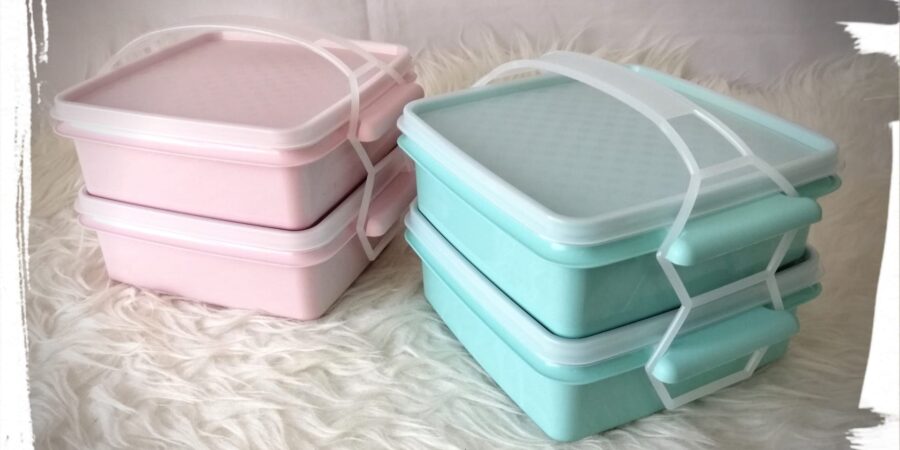
I clearly remember my grandmother reusing everything to the maximum. Even plastic bags, when they began to appear, I always saw plastic bags drying at my grandmother’s house. I come from a fishing family and my grandmother reused bags a lot, even to store fish and to share with neighbors and friends. In other words, everything was used to the maximum; there were no disposables at the time and when disposables started to appear they were more expensive, so there was a care to reuse as much as possible. In this sense, our grandparents, without knowing it, end up giving us many of these ideas, and it isn’t by chance that when I adopted this lifestyle – zero waste – one of the first things I did was go to my grandmother’s house precisely to see what she had from the old days. The napkin bags, for example, can be used to hold cutlery, to hold snacks, the cloth napkins and the bread bags. I took all that because I knew she had it. In short, I like always to talk about the issue of grandparents, because I think we have a lot to learn from them and we should explain (to our grandmothers) that what she did back then is very good and that we are doing it again because often what they think – and there is a lot of this idea even among younger people – is that reusing things is a bad sign, a mark of poverty, which is exactly the opposite; it’s a sign of wealth, wealth of our Planet and of defending our Planet. In short, it is very important to seek our grandparents at this time, even to use Christmas to ask them to share these stories because there are things that the younger kids don’t know and it’s good for them to learn, and it’s also good for grandparents to feel useful. The idea is also a sort of restoration of values.”
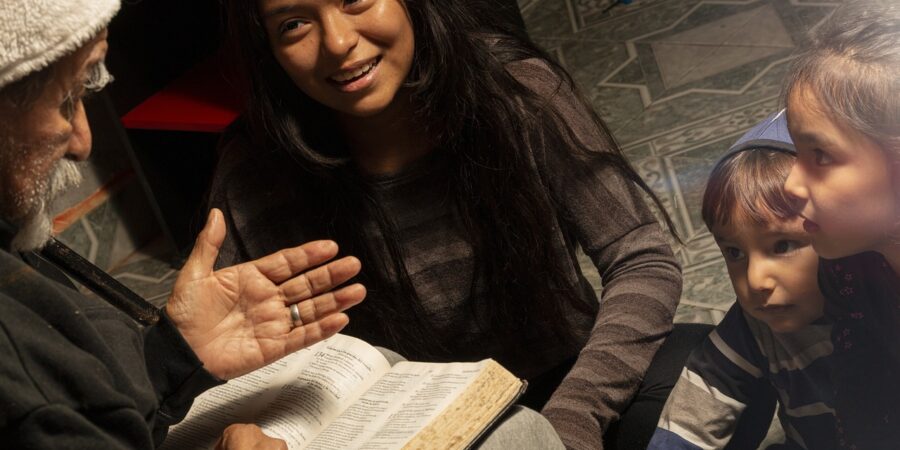
About Ana Milhazes:

Ana Milhazes, 37 years old, sociologist, life coach, activist, Yoga instructor, author of the blog “Ana, Go Slowly” and the book “Vida Lixo Zero” and founder of the movement Lixo Zero Portugal. She believes her mission is to make the world a better place and sow small (big) changes for a simpler, more sustainable and happier life. She has delivered more than 250 talks and workshops in schools, companies and at various events.
Links:
https://www.instagram.com/anagoslowly/
https://www.facebook.com/anagoslowly
https://www.linkedin.com/in/anamilhazes/
“Ana, Go Slowly” is my mantra, my life project and the one that reminds me every day that it’s possible to live more slowly and savor each moment with the right intensity, because only then does it make sense.
Minimalism, zero waste, slow living, organization, healthy habits, yoga and meditation are the main themes, with the purpose of inspiring change toward a simpler, more sustainable, happier and more conscious life.
*Interview originally published in November 2022