A new path for nuclear stewardship
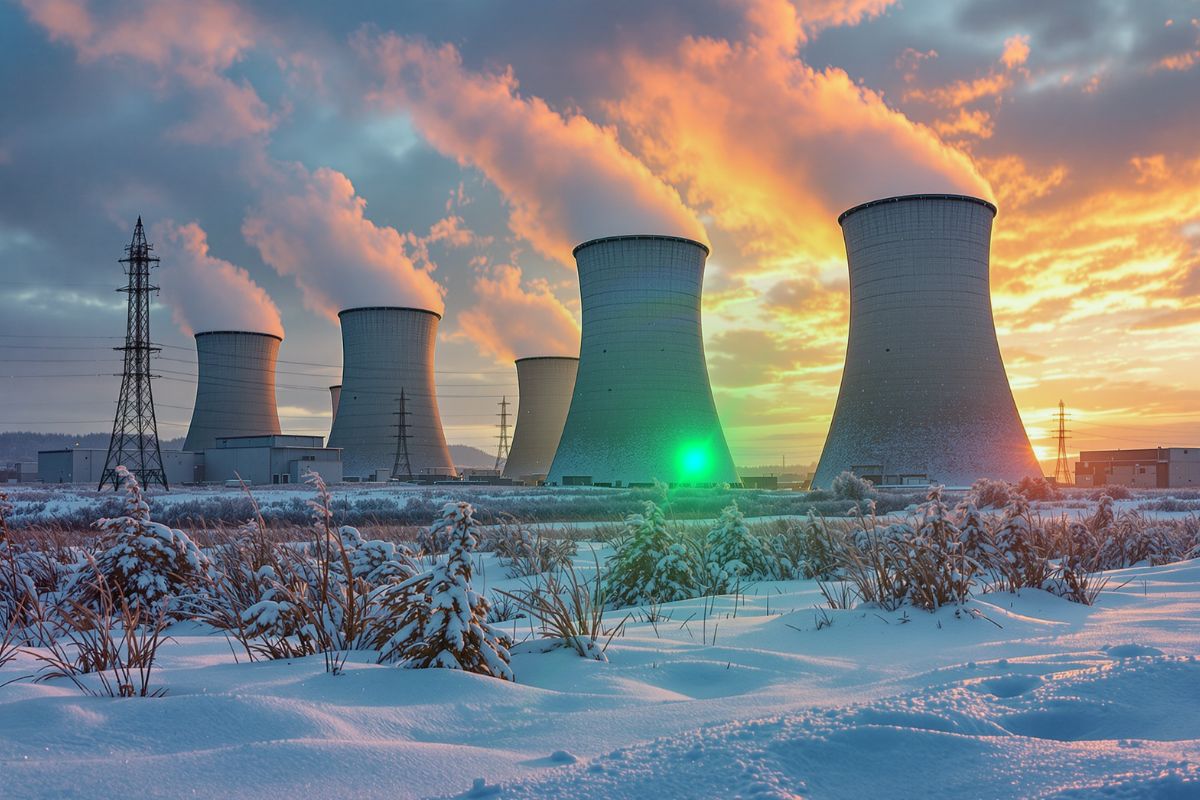
Canada is edging toward a transformative moment in clean energy, advancing a reactor that turns nuclear waste into power. The Stable Salt Reactor – Wasteburner (SSR‑W) reframes unwanted materials as a usable resource. For communities wary of long‑term storage, a design that shrinks its own hazard while delivering reliable electricity feels both pragmatic and visionary.
The concept is simple yet profound: consume the long‑lived elements that make waste such a liability. By doing so, the system tackles a political challenge and a technical problem at the same time. It points to cleaner grids and a lighter environmental footprint.
Peer‑reviewed confirmation
An international team of researchers has peer‑reviewed evidence showing the SSR‑W can consume most transuranics contained in spent CANDU fuel. These stubborn elements linger for millennia, driving the debate over repositories and intergenerational risk. Independent analysis gives the project scientific credibility and public reassurance.
As Moltex CEO Rory O’Sullivan put it, “SSR‑W is specially designed to reuse and efficiently consume recycled nuclear waste.” The line captures the essence of a design aimed at responsibility and results.
Turning liabilities into assets
Conventional reactors accumulate long‑lived actinides, increasing the complexity of future storage. The SSR‑W inverts that paradigm by using those same actinides as fuel in a molten‑salt environment. The chemistry turns difficult isotopes into heat, and heat into dispatchable power.
The result is less volume and lower radiotoxic burden for what remains. That easing of the end‑state challenge can translate into lower costs and higher confidence for host communities.
Closing the fuel cycle
Inside the system, a repeated recycle‑and‑burn loop consumes nearly all remaining actinides over time. Fission products can be selectively removed, while valuable materials are retained for further burning. Online refueling and tailored salt chemistry keep the process continuous and efficient.
This approach reduces decay heat and shortens disposal timescales from geologic deep time toward a more manageable horizon. The cycle doesn’t eliminate waste, but it reshapes its nature and its risk.
The numbers that matter
Early studies translate ambition into metrics the public can verify and compare. A 1200 MW‑thermal configuration suggests substantial annual waste destruction and meaningful lifetime gains.
- About 425 kg of long‑lived actinides consumed per year, turning liability into fuel
- More than 25 tonnes over a typical reactor lifetime, shrinking the long‑term stockpile
- A marked drop in plutonium‑239 proportion within residual waste, improving safeguards profiles
- Lower total volume, lower radiotoxicity, and reduced decay heat for storage and transport
Together, these indicators point to a smaller footprint without sacrificing grid reliability.
Flexible operation for a changing grid
Operational flexibility is central to the SSR‑W’s value proposition. Real‑time fuel management and the controllable dynamics of molten‑salt cores allow nuanced load‑following. Paired with GridReserve thermal storage, the plant can shift heat through dedicated reservoirs to meet peaks.
In practice, that means firm capacity without separate fossil‑based backup. The system complements variable renewables, smoothing volatility while holding emissions down.
From process to project
Moltex’s WAste To Stable Salt (WATSS) process converts spent fuel into feed for the SSR‑W, tying the chemistry to the reactor in a single chain. The first WATSS installation is planned at Point Lepreau in New Brunswick, alongside the first SSR‑W in the early 2030s.
Regulatory and infrastructure challenges remain, from licensing depth to supply‑chain readiness. Still, sequencing the fuel process, reactor hardware, and storage assets offers a practical roadmap from pilot to deployment.
Safeguards and public confidence
Any waste‑burning design must meet stringent safety standards and non‑proliferation controls. Priorities include robust materials accountancy, passive safety features, and independent review at each licensing stage. Transparent community dialogue is equally vital, addressing transport, processing, and storage with clear, evidence‑based plans.
Trust grows when oversight is independent and performance data are public. The more granular the reporting, the stronger the social license to operate.
Why it could change the calculus
If proven at scale, the SSR‑W could shift nuclear’s narrative from burden to benefit. Canada’s CANDU legacy provides ample inventory for waste‑to‑energy conversion, offering firm low‑carbon capacity to a rapidly evolving grid. By shrinking radiotoxic stockpiles and simplifying end‑state requirements, the technology could lower economic and social costs long associated with nuclear waste.
Cautious optimism is still warranted, given financing complexity and regulatory throughput. Yet focusing on what already exists—past fuel turned future power—gives this effort unusual relevance for both climate and community goals.