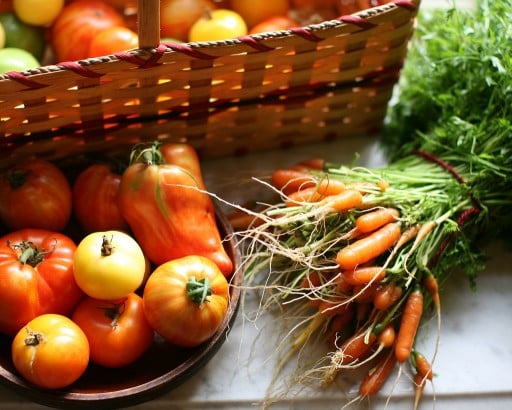
Will urban gardens be safe? And how can you know if your soils are contaminated? The biologist Sónia Rodrigues sought the answers, studying sources of atmospheric pollution associated with automobile traffic. The whole story—and many others—told on the Science with Impact podcast.
In the study conducted on urban gardens, north of Porto, the main contaminant that emerged was lead—a legacy of leaded gasoline, banned decades ago, but that still persists, accumulating in urban soils.
Despite the presence of heavy metals, the study revealed that the transfer of contaminants to the plant products is not automatic. Only a small fraction is transferred to the plants and not all species absorb them in the same amounts. “The pH and the organic matter present in the soil can also reduce potential contamination,” explains the researcher.
Soil contamination is not limited to cities. The use and misuse of nanomaterials in everyday products, which end up disseminated in terrestrial and aquatic environments, are the new contaminants, whose danger is only now being unveiled. But nanotechnology also has its advantages—and can be used in sustainable food production. See how on Science with Impact.
Click here to listen to or watch the podcast