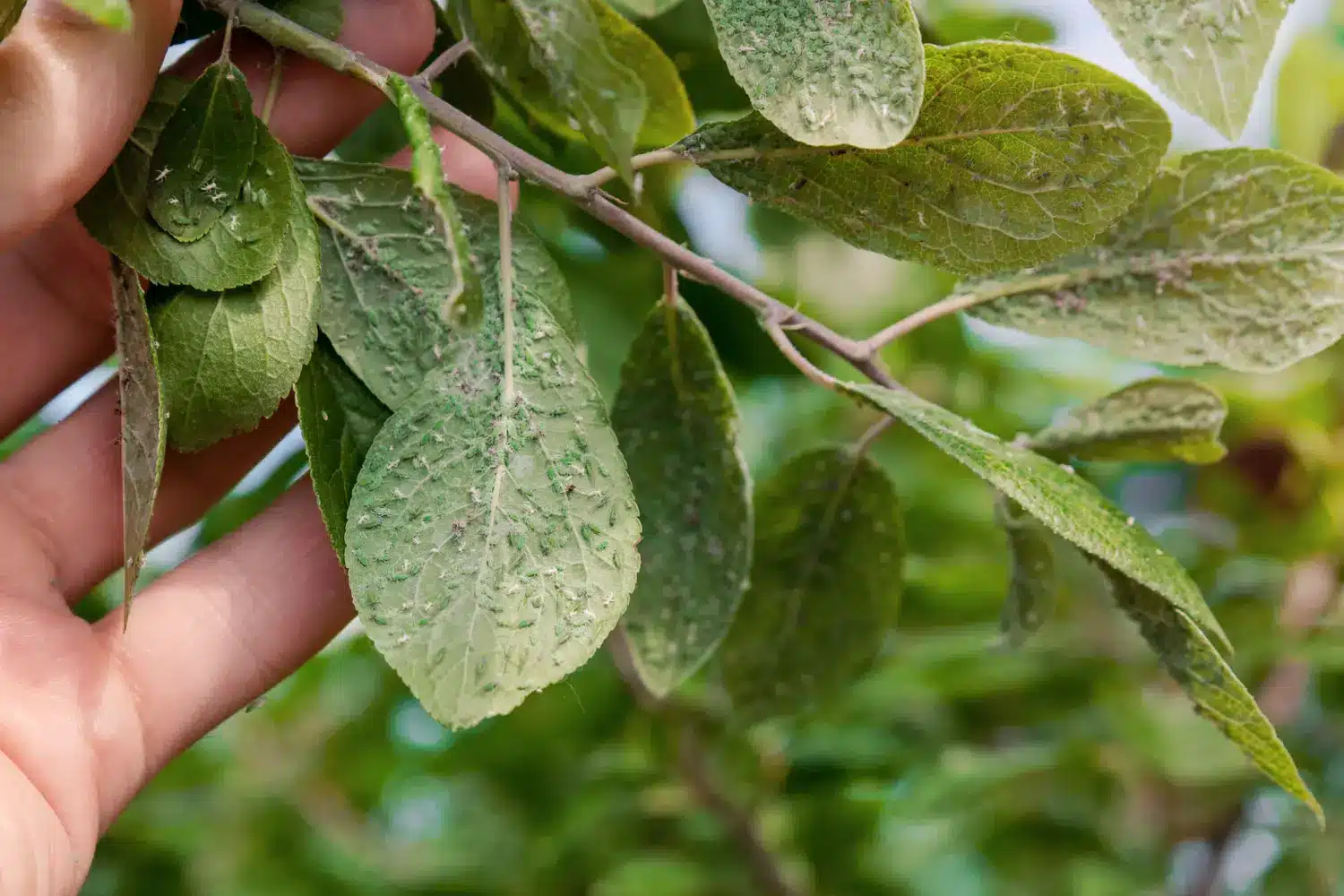
Aphids can turn lush borders into sticky, weakened patches in a matter of days. These soft-bodied insects pierce stems and leaves, siphoning sap and stressing plant tissues. A gentle fix often waits in the kitchen, offering relief without toxic fallout.
Understanding aphid infestations and their rapid spread
Aphids thrive in warm, calm conditions and colonize tender growth. Clusters often form on leaf undersides, where visibility and predation are lower.
They appear in shades of green, black, or white, targeting roses, cucumbers, and young fruit trees. Their feeding leaves curls, yellowing, and a glossy honeydew film.
Reproduction accelerates through parthenogenesis, enabling rapid population booms. Under ideal conditions, one female can spawn hundreds, overwhelming hosts before clear symptoms appear.
Early signs include stunted shoots, misshapen buds, and sooty mold that follows sticky residue. Left unchecked, entire beds can lose vigor and yield within a few weeks.
The kitchen staple that turns the tide
Baking soda creates a mildly alkaline film that disrupts aphid feeding behavior. Paired with a few drops of mild soap and water, it forms a plant-friendly barrier.
The soap acts as a subtle surfactant, helping the solution cling to leaf surfaces. The altered pH and improved contact reduce aphid comfort and interfere with their soft-bodied structure.
“In sustainable gardening, small, consistent actions outcompete drastic, short-lived measures.”
Regular use supports integrated pest management, reducing reliance on synthetic chemicals. It also safeguards beneficial insects, keeping the garden food web balanced.
Mixing and applying without harming plants
A commonly used ratio features one tablespoon of baking soda per liter of lukewarm water. A few drops of mild dish soap improve spread without harsh residues.
Applications during early morning or evening limit leaf stress. Coverage should include upper and lower leaf surfaces, where aphids often hide.
Key advantages include:
- Gentle, accessible ingredients found in most homes
- Minimal risk to edible crops when used with care
- Better compatibility with beneficial predators like ladybugs
- Low cost and quick preparation for ongoing use
- Reduced chemical buildup in soils and garden ecosystems
Consistency matters more than intensity, especially on fast-growing shoots. Reapplication every two or three days helps disrupt reproductive cycles.
Plant-specific care and common pitfalls
Robust plants with smoother leaves—like cucumbers, beans, and mature roses—generally tolerate this approach very well. Thorough yet gentle coverage supports steady recovery without undue stress.
Delicate herbs and young seedlings benefit from patch tests on a single leaf or branch. Monitoring for slight bronzing or burn prevents avoidable damage.
Overconcentration creates more risk than benefit. If residues appear chalky or leaves show speckling, dilution and gentler frequency are wise.
Combining methods strengthens long-term control. Firm water sprays dislodge colonies, while resident predators maintain balance between treatments.
Prevention for a resilient garden
Weekly walk-throughs catch small pockets of aphids before serious spread. New growth and tender buds deserve extra scrutiny during warm, still spells.
Healthy plants fend off pests with more vigor. Balanced soil fertility, steady watering, and adequate light reduce stress signals that attract aphids.
Companion planting helps by pairing deterrent herbs with susceptible crops. Marigold, chive, and catnip borders add scent-based pressure while boosting biodiversity.
Sanitation reduces overwintering sites and springtime flare-ups. Clearing debris and pruning damaged stems removes egg-laden hiding places.
As a foliar film, the bicarbonate blend works at the surface, where aphids actually feed. Regular, light coverage creates a protective buffer without chemical baggage.
Over a few weeks of attentive care, most gardens regain noticeable vitality. Leaves stay cleaner, growth resumes steadily, and beneficial insects reassert balance.
Taken together, observation, gentle chemistry, and ecological support produce lasting results. The humblest ingredients can tip the scales when used with patience and precision.