The Taliban authorities, who govern Afghanistan, today lamented not having been invited to the 30th UN climate conference, COP30, and stressed that that country is one of the most vulnerable to climate change.
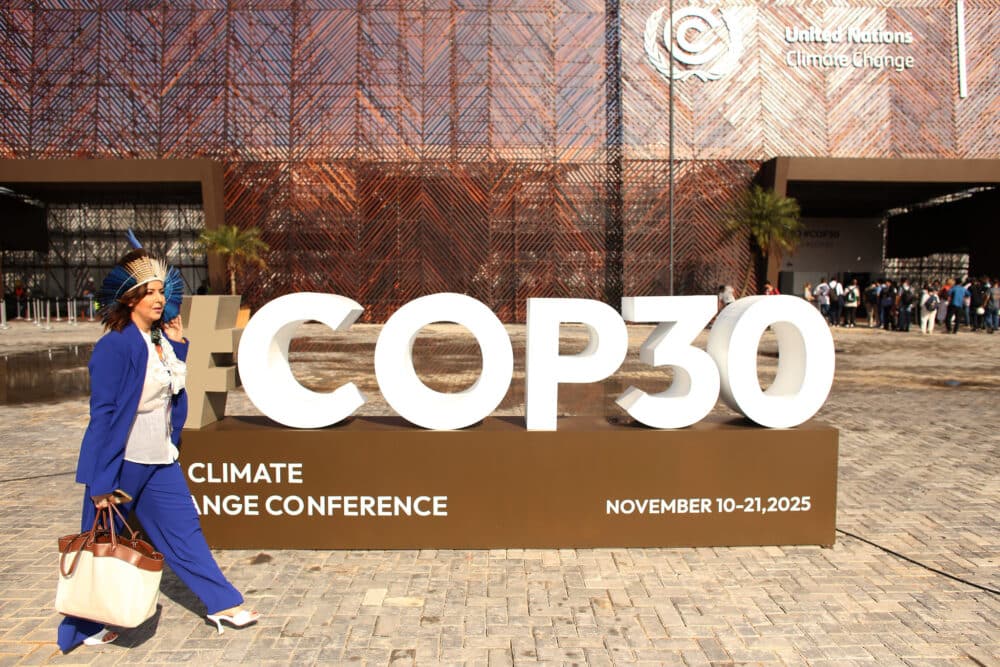
In a statement, the National Environmental Protection Agency (NEPA) expressed “deep concern” that Afghanistan had not received an “official invitation” to the 30th UN climate conference, which begins on Monday and runs through November 21 in Belém, Brazil, and will bring together representatives from dozens of countries.
Cited by Agence France-Press (AFP), NEPA considers that “the violation of the Afghan people’s right to participate in this conference contradicts the principles of climate justice, international cooperation and human solidarity” and recalls that Afghanistan is “one of the most vulnerable countries to climate change.”
In 2024, Afghanistan participated in COP29, in Baku, but as a “guest” of Azerbaijan, the host country, and not as a party directly involved in the negotiations.
The Taliban, back in power in Afghanistan since 2021, argue that their isolation on the diplomatic stage should not prevent them from participating in international climate negotiations.
Afghanistan accounts for only 0.06% of greenhouse gas emissions, and is the sixth most vulnerable country to climate change, according to scientists, AFP notes.
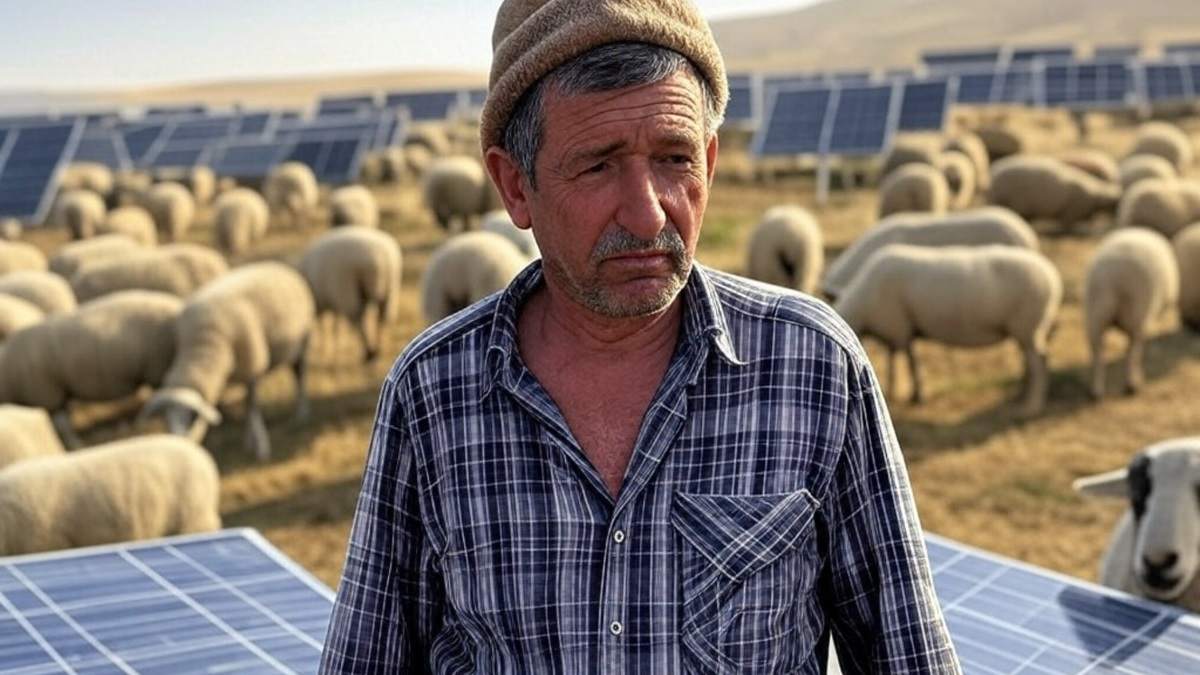
In that country, devastated by four decades of war and one of the poorest in the world, about 89% of the more than 48 million inhabitants depend on agriculture to survive, according to the UN.
“Between 2020 and 2025, Afghanistan suffered repeated droughts, seriously undermining its capacity to adapt and drastically reducing groundwater levels, sometimes by as much as 30 meters,” the UN warned in April.
On the eve of COP30, the UN confirmed that the year 2025 would be the second or third hottest year on record.