The year 2025 is on track to be the second warmest worldwide on record, tied with 2023, while November was the third warmest month documented, it was announced today.
“2025 is virtually certain to end as the second or third hottest year on record, possibly tied with 2023,” said in a statement the Copernicus Climate Change Service (C3S), the European Union’s Earth observation programme.
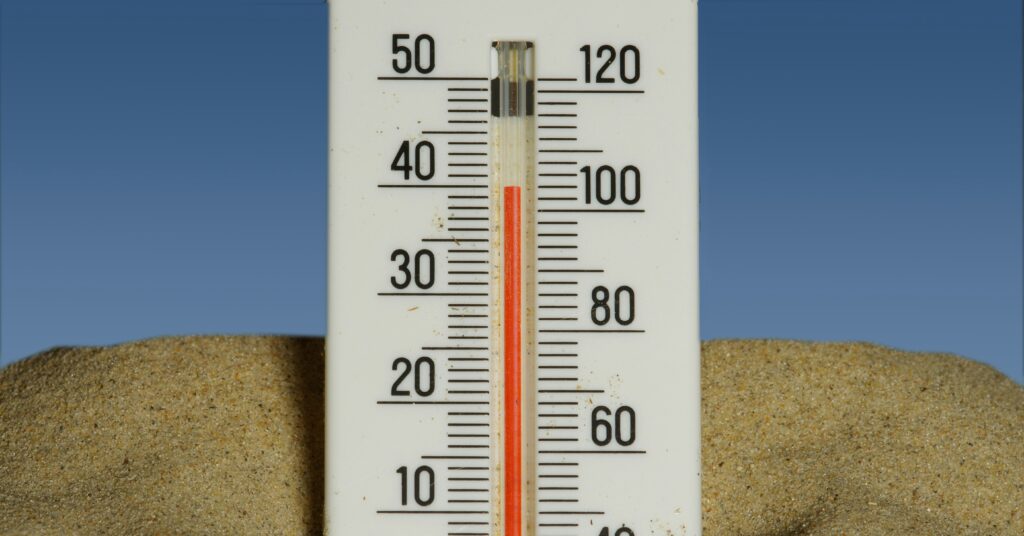
Between January and November, the average surface air temperature was 0.60 degrees Celsius (°C) higher than the 1991–2020 average, i.e., 1.48 °C above the estimated temperature for 1850–1900, considered the pre-industrial period, according to C3S.
These global mean temperature anomalies are identical to those recorded during the entire year 2023, currently the second warmest year on record, making it virtually certain that 2025 will end up as the second or third warmest year on record, behind 2024, although it may not reach 1.5 °C above pre-industrial levels.
Last month, the average surface air temperature was 14.02 °C, i.e., 0.65 °C above the November average from 1991–2020, but 0.20 °C below the warmest November on record, in 2023, and 0.08 °C below the second warmest, in 2024.
“In November, global temperatures were 1.54 °C above pre-industrial levels and the three-year mean for 2023-2025 is on track to exceed 1.5 °C for the first time. These records are not abstract. They reflect the acceleration of climate change, and the only way to mitigate future temperature rises is to rapidly reduce greenhouse gas emissions,” warned the Climate Strategy Director at C3S, Samantha Burgess.
In Europe, the average temperature in November was 5.74 °C, 1.38 °C above the 1991–2020 average for that month, making this the fifth warmest November on record.
Temperatures were above the average in Eastern Europe, Russia, the Balkans and Turkey, and below average, mainly in northern Sweden and Finland, Iceland and parts of northern Italy and southern Germany.
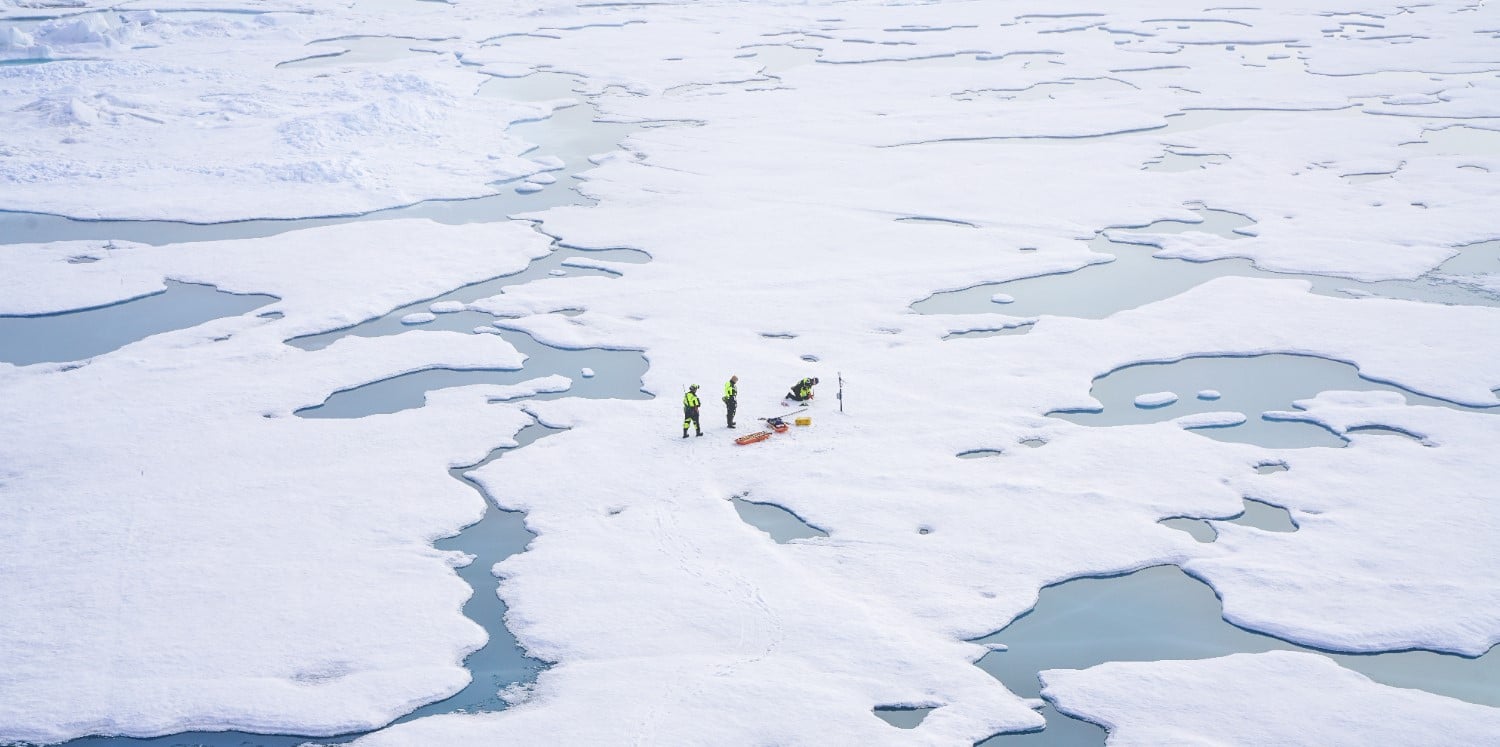
Outside Europe, the higher-than-average temperatures were recorded in polar regions, especially in northeastern Canada and the Canadian Arctic Archipelago, in the United States, the Arctic Ocean and East Antarctica, while northern Siberia, spanning much of northeastern Russia, registered pronounced negative temperature anomalies.
On the other hand, November was wetter than usual in the United Kingdom, Ireland, Portugal, Spain, northwestern Russia and much of the Balkans, with particularly heavy rains in Albania and Greece.
Meanwhile, drier-than-usual conditions were observed in Iceland, southern Spain, northern Italy, central Germany and Sweden, while drought warnings persisted in southeastern Europe, especially in southwestern Russia, Ukraine and Turkey.
Outside Europe, wetter-than-usual conditions were recorded in the southwestern United States, in parts of northern Canada, in northwestern Russia, in Taiwan, in southern Africa, in Madagascar and in the coastal regions of Australia.
More than 1,100 people died in South and Southeast Asia due to torrential rains and floods caused by a combination of tropical cyclones and heavy monsoon rains.
Meanwhile, drier-than-usual conditions were recorded in northern Mexico, the southeastern United States, much of Western and Central Asia and southern Brazil.