A living lab among solar arrays
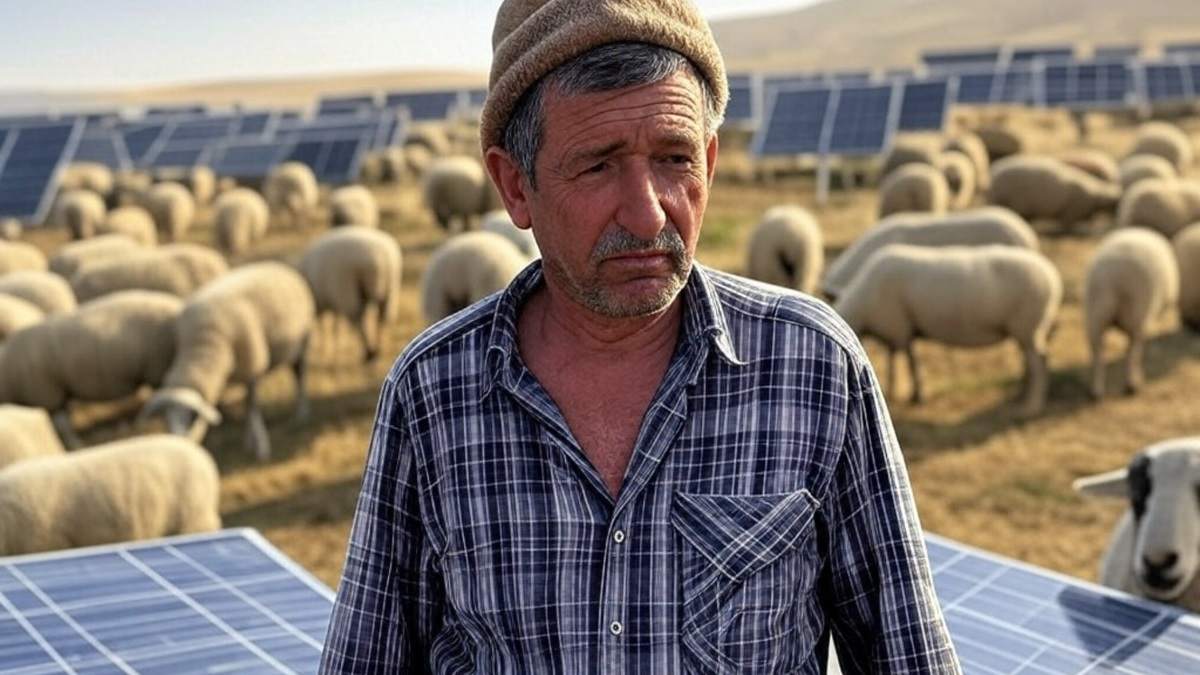
What began as a routine grazing plan in Australia became a field-scale experiment. Over three years, Merino flocks moved through photovoltaic rows, testing whether livestock and energy can truly coexist. The site, Wellington Solar Farm, hosted a split-herd design, with one cohort under panels and another on open pasture. Researchers tracked animal health and fleece metrics to see if microclimates translate into measurable gains.
The setup drew on a rising land-use model called agrivoltaics, where farms and energy projects share acreage. Instead of competition over finite land, the system stacks ecological and economic services. Sheep act as low-impact, four-legged mowers, reducing mechanical passes and protecting cable corridors. The question was whether shade and structure would alter wool quality, or simply maintain site vegetation.
Video from the study site: https://www.youtube.com/watch?v=l_leSuwpXm8
How shade reshapes animal outcomes
Panel geometry creates a patchwork of shade and filtered light. That mosaic moderates heat stress, a major driver of inconsistent wool growth. When thermal loads fall, sheep maintain steadier intake, preserve hydration status, and devote more energy to fiber formation. The result is calmer grazing behavior and fewer heat-driven spikes in metabolism.
Microclimate effects also extend to forage. Beneath arrays, soils retain more moisture, supporting greener swards deeper into dry spells. Less dust adheres to growing fleeces, reducing contamination and improving processing yields. These subtle advantages compound across hundreds of grazing hours, turning shade into a quiet productivity tool.
Measurable gains in the fleece
By the end of early-2025 assessments, wool from panel-grazed sheep showed stronger fibers and, in some cases, higher fleece weights. Fiber diameter variability narrowed, indicating more even nutrition across seasons and daily cycles. While individual outcomes varied, the aggregate trend pointed to better fleece integrity, not just steady maintenance. For a commodity where micron and tensile strength drive price, such shifts matter on the shearing table.
Importantly, the solar layout did not compromise animal welfare. Body condition scores remained comparable, and movement corridors allowed stress-free transit. Where panels were raised appropriately, stock had comfortable clearance, minimizing snag risk and handler interventions. Good design turned potential constraints into managed advantages.
Operations that pay their own way
The system offered clear site-management benefits. Vegetation control is a persistent solar cost, with mowers, string trimmers, and herbicides all carrying recurring burdens. Sheep reduce those inputs while cycling nutrients in place, sustaining a modest but real fertility lift. That synergy improves both project uptime and pastoral resilience.
Stakeholders noted broader land-use efficiency. With dual revenue streams—electricity and grazing—landholders stabilize cash flows. Rural identity remains visible, even as clean-energy infrastructure expands across the landscape. The dual-use model resists the false binary of “panels versus paddocks,” substituting a both/and proposition.
- Lower routine site costs through biological mowing and fewer machine passes
- Reduced herbicide dependence and gentler, livestock-centered management
- More varied vegetation structure that supports on-site biodiversity and pollinator habitat
- Additional income streams from complementary leases and grazing agreements
- Community acceptance rooted in visible agricultural continuity alongside renewable power
Design choices that make or break success
Agrivoltaics is not a one-size-fits-all template. Panel height, row spacing, and local rainfall shape both forage production and animal movement. Stocking rates must align with seasonal growth, preventing overgrazing in shade-enhanced lanes. Drainage, soil type, and wind exposure influence dust loads and fleece cleanliness.
Independent replication remains crucial. The study involved industry partners, including Lightsourcebp, introducing potential bias that rigorous peer review must politely interrogate. Comparable trials across breeds, climates, and management styles will test durability beyond a single Australian context. Transparent data and standardized methods will help separate signal from noise.
Beyond wool: a template for shared landscapes
The implications extend past fleece metrics. Carefully planned agrivoltaics can support wildlife corridors, diversify rural economies, and buffer farms against climate extremes. When arrays temper heat and preserve moisture, they create micro-refuges for both plants and small fauna. In dry years, that resilience becomes a working insurance policy.
Practitioners abroad are adapting the concept to vineyards, orchards, and specialty crops. Each application tunes geometry, light regimes, and groundcover to crop-specific needs. The unifying logic is straightforward: combine engineering precision with ecological common sense, and let multiple outputs emerge from the same sunlight.
“Agriculture and clean energy don’t have to compete—they can thrive together.”
The lesson in plain sight
What looked like a simple grazing arrangement turned into a proof-of-concept for shared infrastructure. Sheep kept the site tidy while quietly improving a primary farm product. Panels generated dependable watts without shoving agriculture to the margins. In a warming world with tight land budgets, solutions that stack benefits will define the next rural century.
The image lingers: calm ewes in dappled shade, green threads of pasture between glittering modules. It is ordinary and innovative at once—an alliance of biology and hardware that leaves the field more productive than either could achieve alone.