A digital fortune buried in plain sight
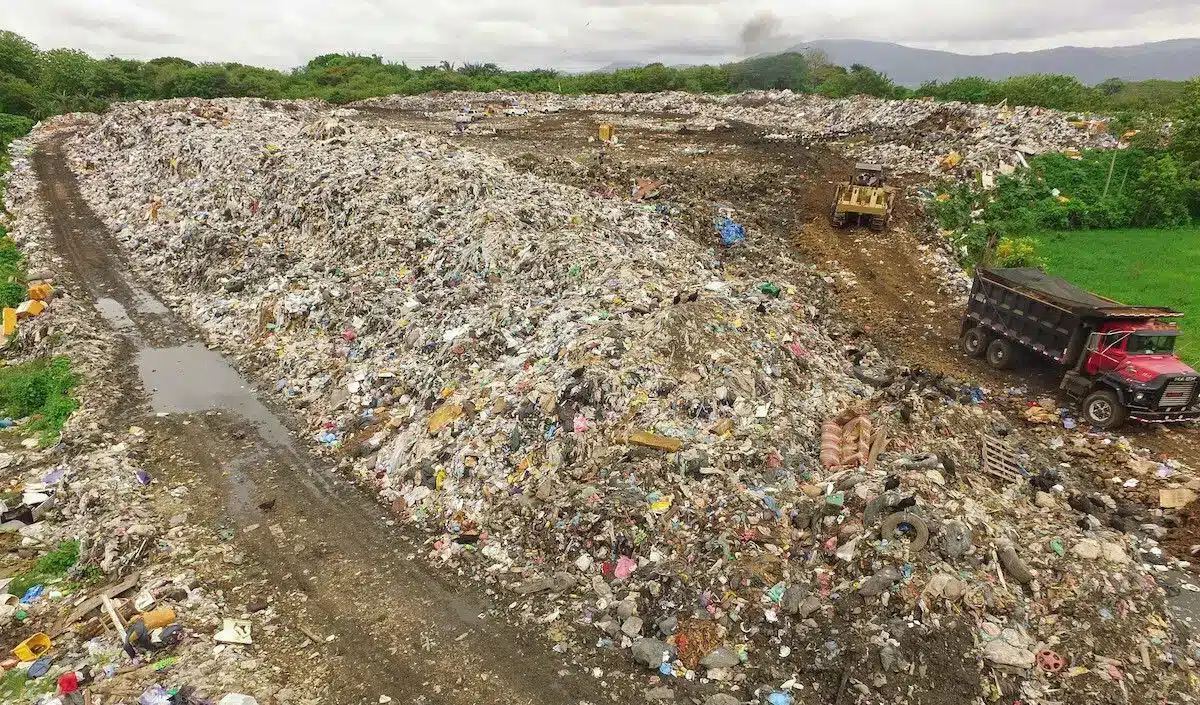
For twelve years, a Welsh computer scientist has lived with a singular obsession: a hard drive lost to a municipal landfill. What began as a routine clean-up became an enduring myth, pinning hope against bureaucracy, physics, and time. As the value of 8,000 Bitcoins swelled into hundreds of millions, his private tragedy turned into a global curiosity.
The accidental disposal
In 2013, James Howells, an IT technician from Newport, inadvertently discarded the small device that held his private keys. Back then, Bitcoin was still obscure, and the drive seemed like harmless scrap. Years later, that “scrap” translated into roughly €649 million, a stark reminder that digital assets can be both weightless and priceless.
What looked like a minor mistake became a landmark example of crypto’s unforgiving design. Without private keys, possession is irreversible, and no help desk can reset the past. His misstep underscores the fragile bridge between software certainty and human fallibility.
An escalating high-tech hunt
As the stakes soared, the search evolved into a high-tech treasure hunt. Howells outlined plans for AI-powered drones and ground robots to scan and sort waste, minimizing disturbance while maximizing precision. The vision fused environmental care with meticulous engineering, promising a targeted excavation instead of reckless digging.
He offered to fund the operation himself and share the recovered fortune with the community, a bid to align incentives and win trust. Even so, the practical and ecological risks loomed large, demanding approvals that never came.
Law, landfills, and limits
Newport City Council repeatedly blocked access, citing potential hazards such as toxic gas releases and groundwater contamination. Under British law, landfill items become site property, and excavation faces strict procedural controls. In 2024, a British judge concluded the odds of success were practically nonexistent, effectively sealing the pit—and the case.
Time also worked against the hard drive itself. Buried under compacted waste, exposed to moisture and pressure, its physical integrity seemed doubtful at best. Without reaching a lab, the last hope of data recovery never passed the gate of permission.
From search to screen
While the landfill likely holds its silent secret, the story has found a new medium. American production company LEBUL is developing a documentary series, The Buried Bitcoin: The Real-Life Treasure Hunt of James Howells. With cutting-edge effects, it promises to reconstruct the technical and emotional odyssey of the past twelve years.
For Howells, the project offers closure of a different kind and a platform for long-overdue context. “This is the first time I’ve really been able to show what we wanted to do on the landfill site,” he said, insisting that hope hasn’t entirely vanished.
Cautionary lessons for holders
The saga doubles as a sober guide for anyone managing digital wealth. The following reminders are simple, but their consequences are profound:
- Maintain multiple secure backups, including offline or hardware options.
- Separate storage from everyday devices to avoid accidental disposal.
- Verify and test restores periodically to ensure keys are actually recoverable.
- Use tamper-evident procedures and documented handling checklists.
- Consider legal and estate planning to transfer keys without exposure.
- Treat hardware as part of the asset’s value, not disposable media.
A human story behind the numbers
Beyond the market spectacle, this is a story of resilience and reinvention. Howells faced public scrutiny, legal roadblocks, and the quiet daily grind of regret—and still found a way to make meaning out of loss. The documentary reframes catastrophe as education, turning a cautionary tale into a shared lesson.
It also exposes a systemic gap: our laws still treat discarded goods as physical objects, while crypto transforms property into pure information. When “ownership” fits on a slip of digital entropy, liability, recovery, and rights demand new interpretations.
What the next chapter could bring
Perhaps the drive never survived. Perhaps it lies inches from where the first shovel was denied. Either way, the search has already reshaped the conversation around personal custody, data durability, and risk.
If the film lands as planned in late 2025, audiences will see more than a lost fortune. They’ll encounter the paradox of modern wealth: assets without atoms, vaults without walls, and a single click that can redraw a life. In that paradox lives the enduring lesson of James Howells—protect the small things that hold your everything.